Henry II, King of the English from 1216-1272
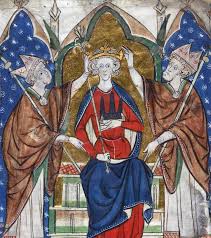
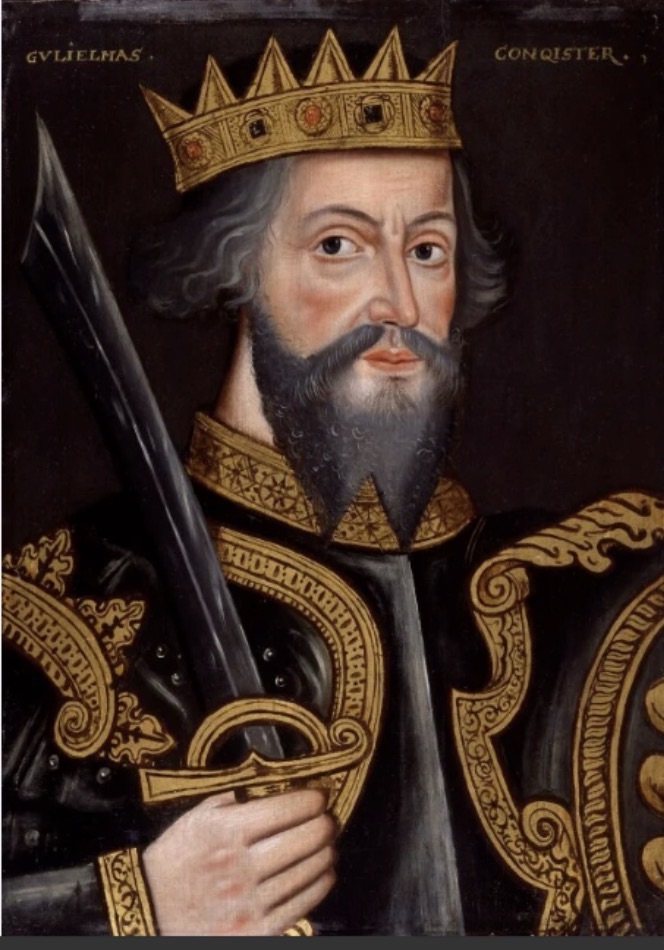
Henry II, King of England, Lord of Ireland and Duke of Aquitaine, 1216-1272. He descended from the line of the great Viking Rollo, Count of Rouen, and William the Conqueror through his great grandmother, Empress Mathilda, and a Plantagenet from his great grandfather Geoffrey, Count of Anjou. He was the grandson pf Henry II and Eleanor of Aquitaine, portrayed in the 1068 film, The Lion in Winter. During his reign, he spent less time in France than had been the tradition of his predecessors due to his father having lost their territory. He strove to live a pious life even though he was capable of immense cruelty and antisemitism. His greatest architectural achievement was the construction of Westminster Abbey and the magnificent tomb of his patron saint, Edward the Confessor.
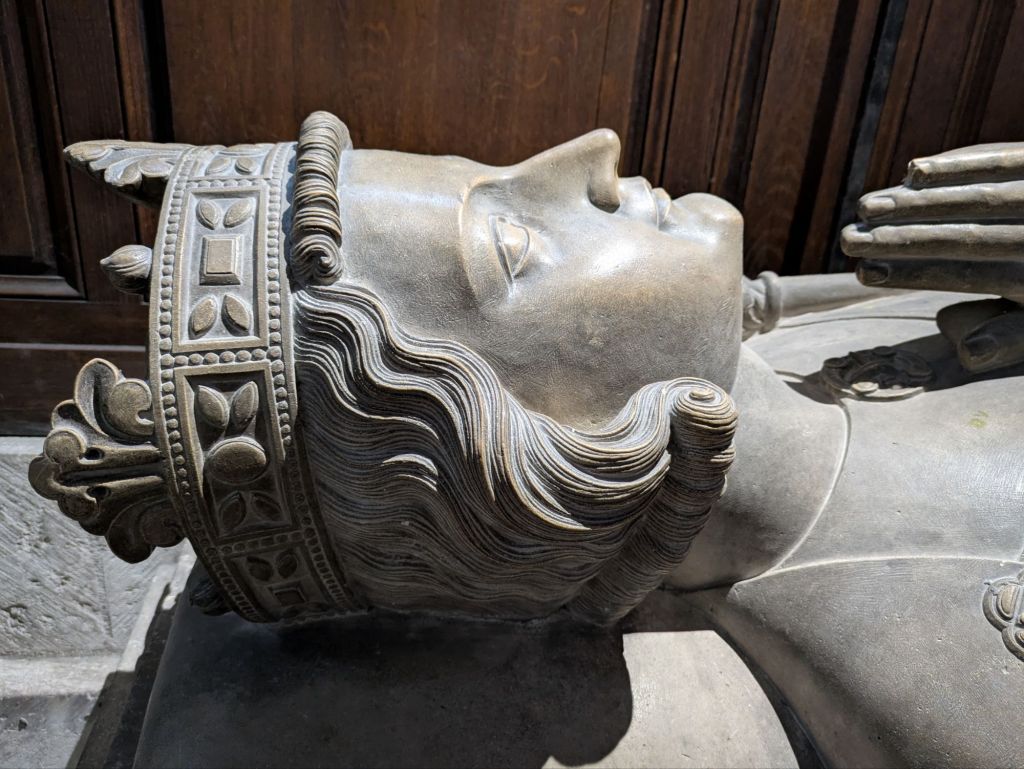
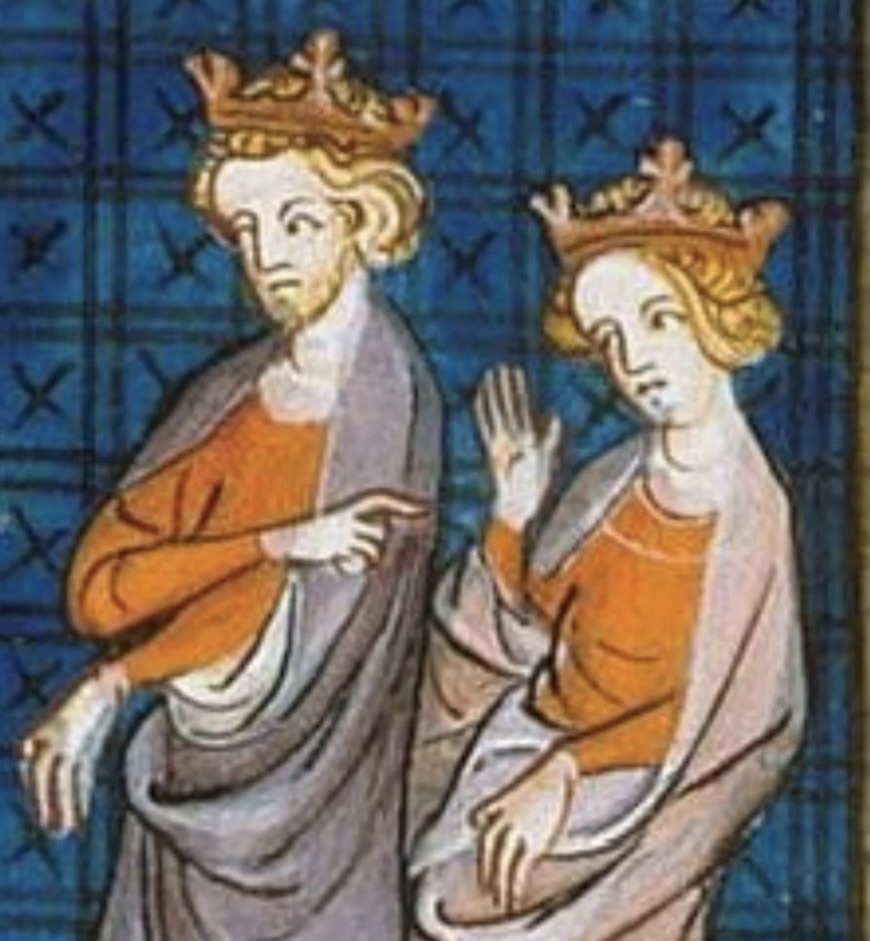
Nonetheless, Henry retained a deep fondness for Normandy, the land of his grandparents and had visited their tombs at Fontevraud Abbey, where his mother had spent her last years and was also buried. Upon his death, he had asked for his body to be buried in Westminster Abbey and for his heart to be buried alongside his family in France. Unfortunately, his heart is not there.
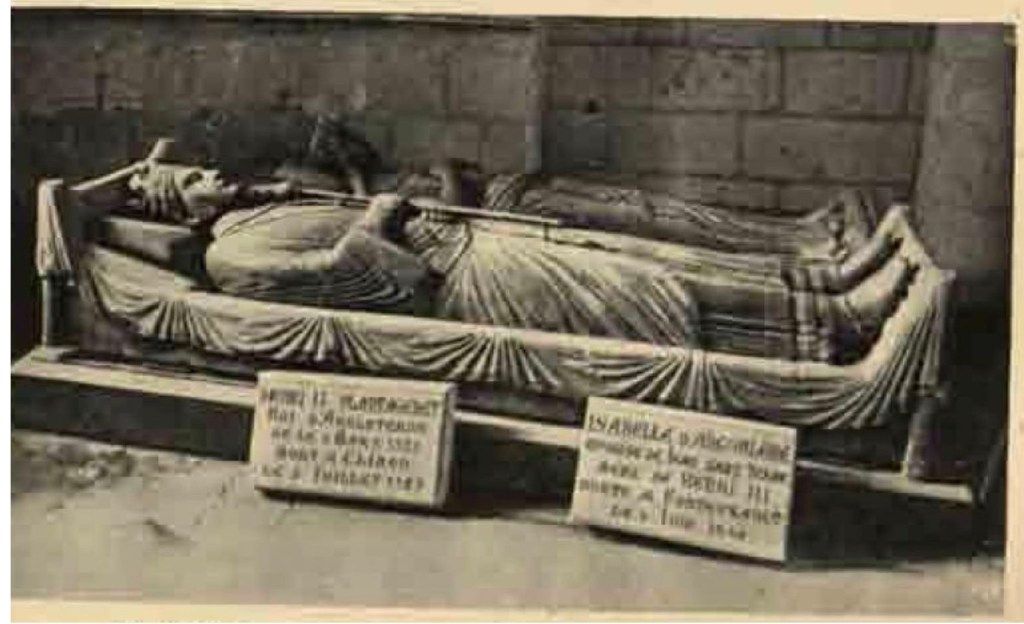
The story of his wayward heart actually begins in the months before his death. Seriously ill, he must have realized his time was near, and he began to make arrangements for his burial. That included how to dress his body, what to place alongside him, and making sure his body and heart were buried in separate countries.
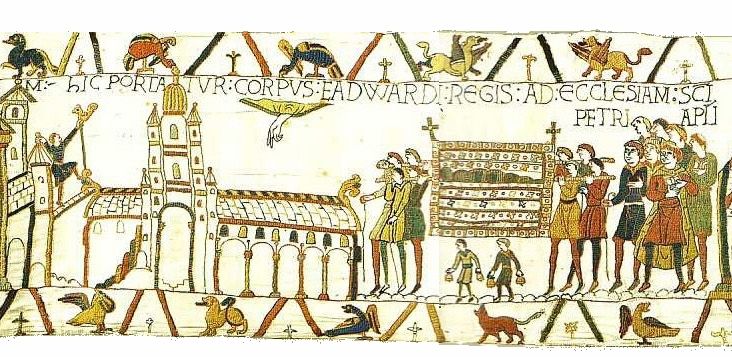
Henry was devoted to Saint Edward the Confessor, a King of England who ruled almost 200 years before. (Edward just happened to be the stepson of another great Viking, King Cnut.) Henry built Westminster Abbey on the very site of the Confessors original cathedral. He also erected a fancy new monument to the saint, and had Edwards body moved into it from its original tomb. Henry, ever chasing piety, held the idea to have himself buried in the saints original tomb.
When Henry died in 1272 he was buried according to his detailed instructions. Whether or not his heart was removed at this time is not documented. However, at some point it was indeed removed, encased in lead and placed into a golden urn.
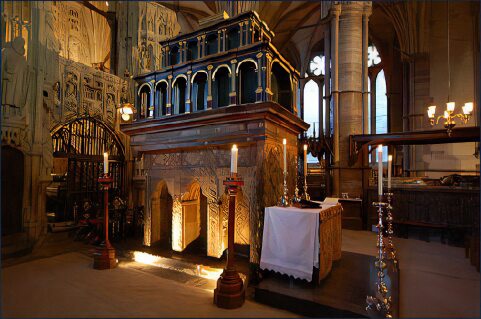
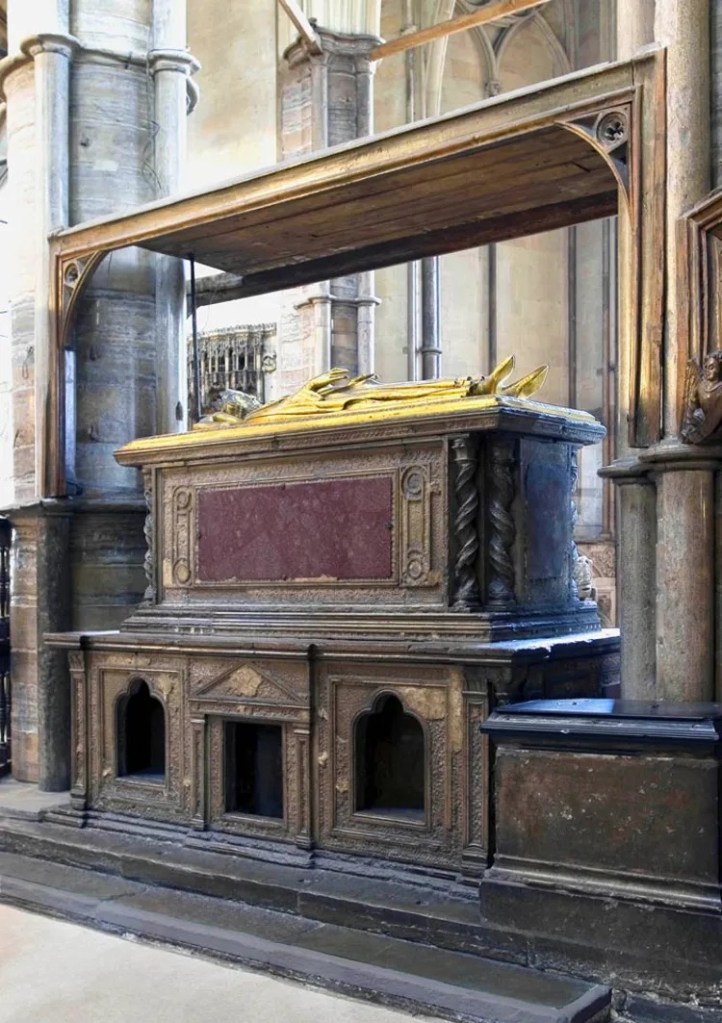
Henry’s son and successor, Edward I eventually built a new, grand tomb for his father and had his body moved into it in 1290. At the time that the original tomb was opened, witnesses noted that Henry’s body had not decomposed, and that he had a long flowing beard which had continued to grow after death. Several miracles were reported among those in attendance and those visiting the new tomb afterwards. His devoted wife, Eleanor of Provence, hoped fervently that he would be canonized, like his hero Edward. That was not to come, but Eleanor remained loyal this hope for the rest of her life.
Again, we do not know exactly when Henrys heart was separated from his body, but in 1291 Edward, in a letter to his own son, acknowledged his father’s wishes. So maybe it was at this time that his heart was taken from his body? So far, no contemporary descriptions have been found.
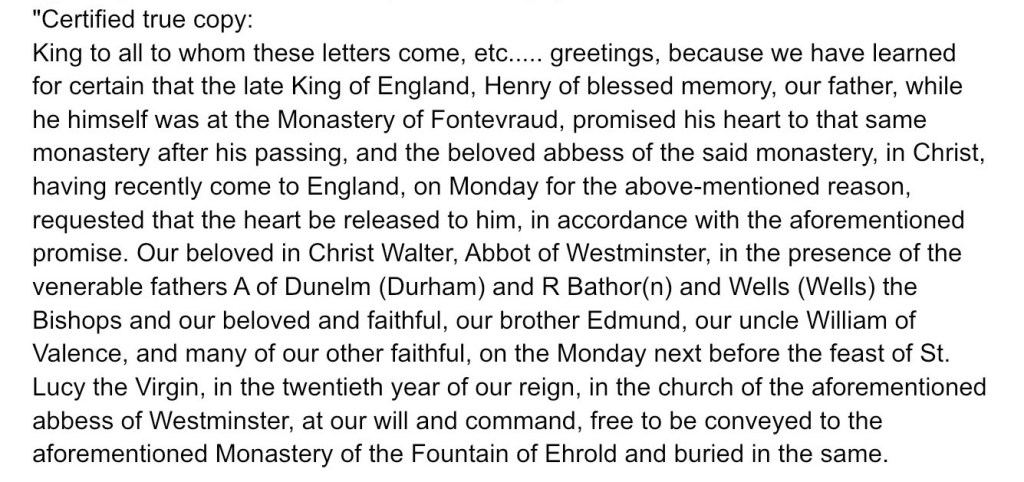
1272- Henry dies
1290- His body is moved by Edward (son)
1291, June- Eleanor of Provence (wife) dies
1291, Dec 3- Edward wrote of the heart request
1291, December 10- Heart given to Abbess of Fontevraud
No matter if Henry’s heart was removed at the time of embalming, or at the exhumation 18 years later… where was it kept in the meantime? David Carpenter, imminent scholar of Henry III, interestingly surmises that it would have been in keeping with his wife’s character, if Eleanor would have kept it close until her death. Perhaps that is why it became available to Edward to finally pass it on the the Abbess of Fontevraud the very same year as her death, and he could finally have his father’s wishes fulfilled.
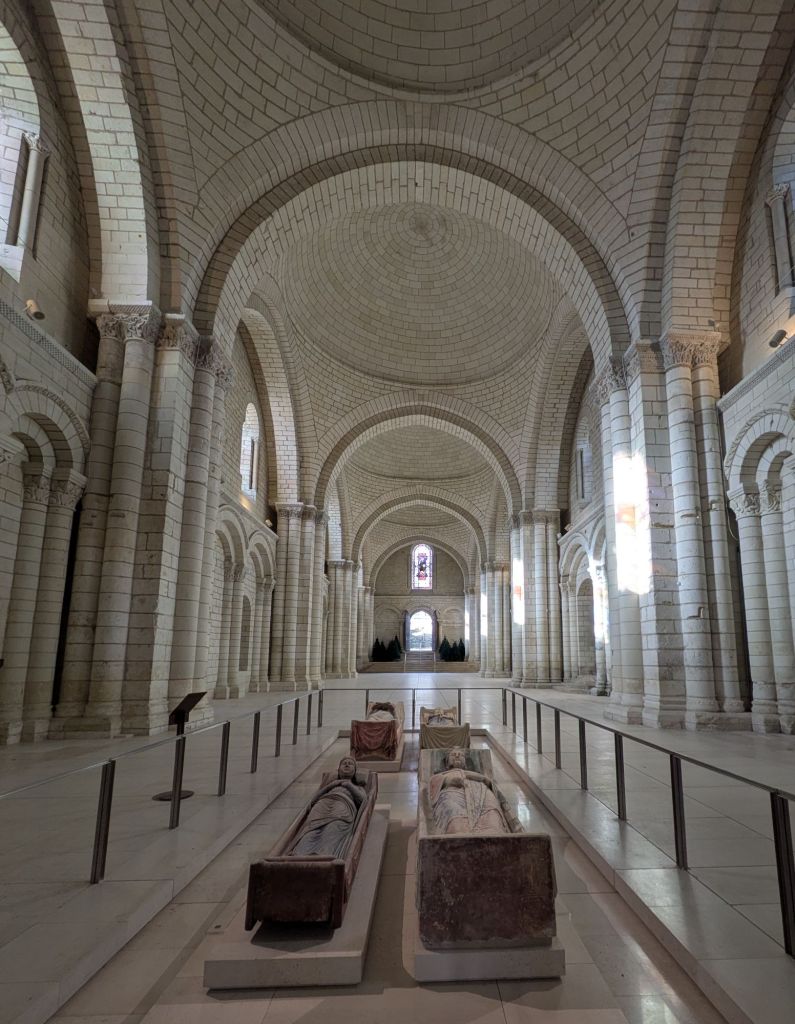
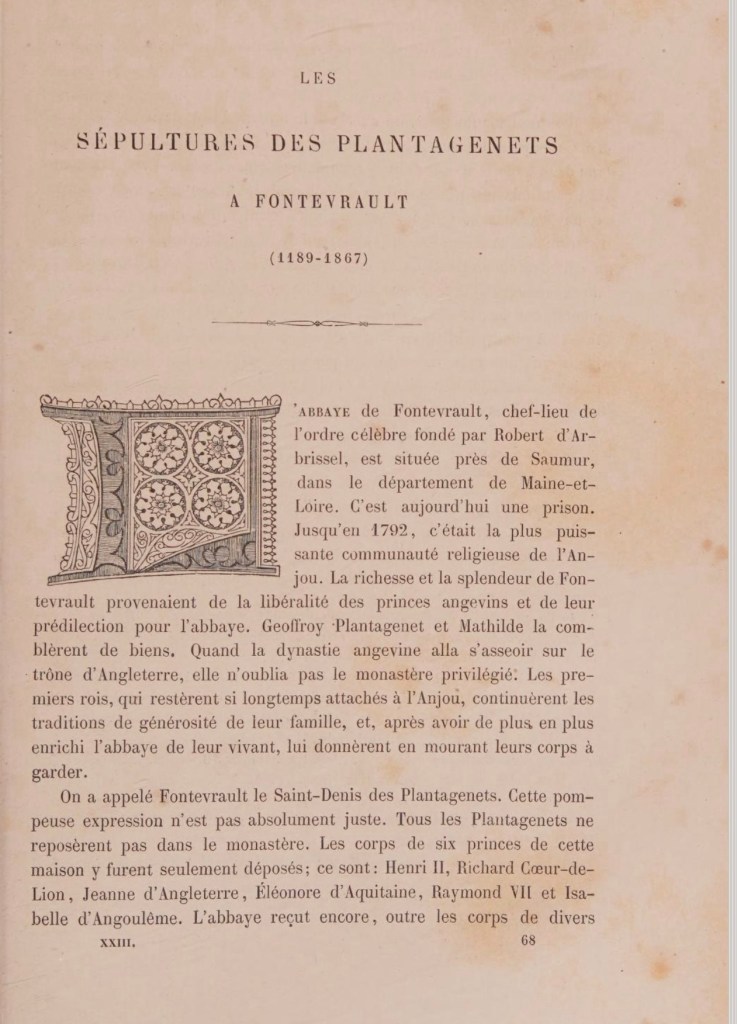
The story of Henry’s heart does not end here. During my recent visit to Fontevraud Abbey, no one seemed to be aware of the hearts fate. In fact, I found out that over the years, the bodies and tombs have been relocated or raided several times:
In 1504, the Abbess moved both tombs and bodies to new positions within the abbey church to accommodate renovations. In 1562, Huguenots raided the abbey and possibly looted the tombs. At the time of another renovation in 1638, the effigies of Joan and her son Raymond were already missing. Whatever human remains were left were moved into a common grave and the surviving 4 effigies moved atop them. Was the golden urn among the bones? It wasn’t mentioned in the accounts. I wonder if they had totally forgotten about it by then.
The final insult came in 1793 when revolutionary mobs ransacked the cathedral. According to one account, the bones were dumped into a nearby river. Another account says that the monks reburied the bones in a secret location. However, according to an interview of one supposed witness, there were no bones or treasure to be found. The tombs were empty. Ot aeems that after this, the 4 effigies were moved to an underground crypt and forgotten.
Regardless of which of these accounts is true, it seems to be the consensus that in 1793 the urn was somehow discovered, the gold looted, and the unmarked lead container with the heart inside taken by a local resident. Ot was then sold to a scribe in Orleans, a Mr. Cretté, who kept a collected curiosities.
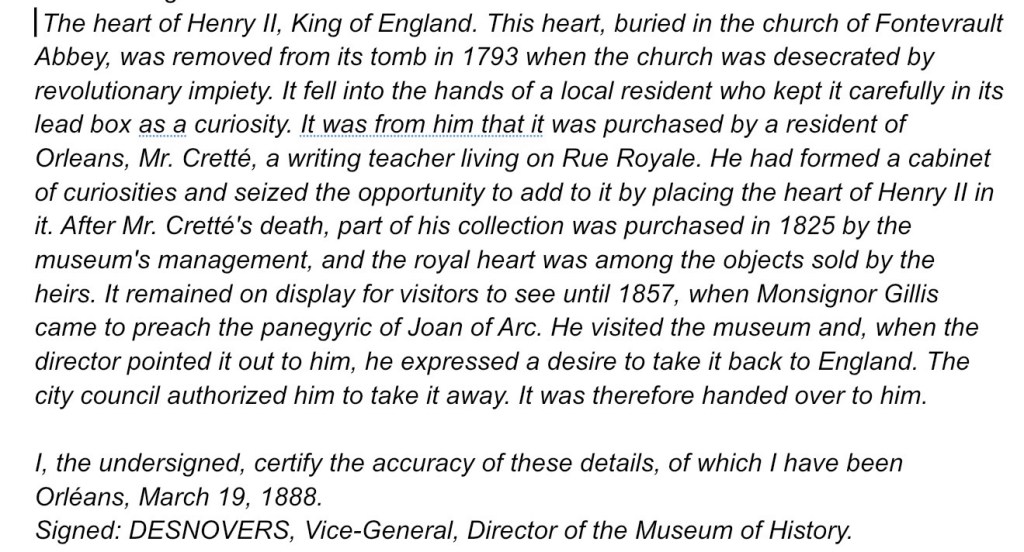
As to what happened to the effigies: the abbey was deconsecrated in 1804 and became a prison for the next 130 years. During necessary renovations, the effigies were rediscovered lying in the crypt. As the church was now used for prisoner activities, the effigies were offered to England, but somehow the deal fell through. The effigies were taken to Versailles for a number of years, before returning to Fontevraud to be displayed in the church once again.
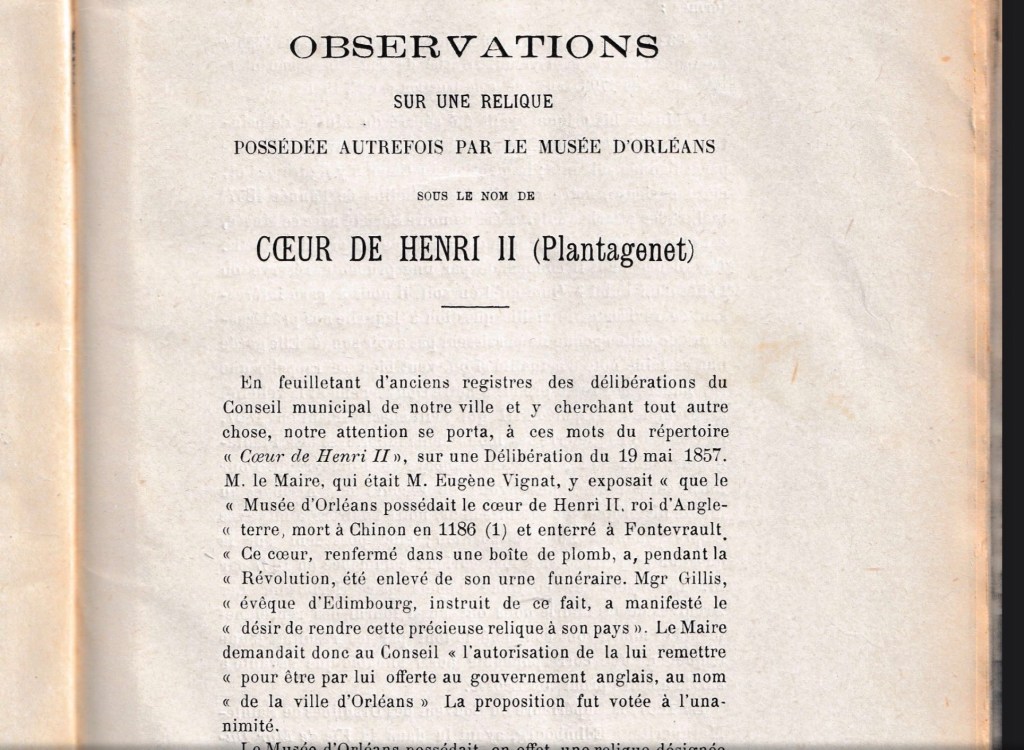
Back to the story of the heart: Upon the death of Mr. Cretté in 1881, his widow offered the heart to the City of Orleans in exchange for a lifetime pension. It took them about 4 years to decide to purchase it and in 1884 the heart came to reside in the City’s newly built museum.
Then, in 1857, the Archbishop Gillis from Edinburgh happened to come to the museum to deliver a tributary speech about Joan of Arc. In the process of a welcoming tour, he was shown the heart and expressed his desire to return it to England. He came up with the idea to bury Henry’s heart at the feet of a new memorial he was constructing to honor Thomas Beckett, the very man who Henry had murdered so centuries ago. The archbishop unfortunately died before being able to fulfill his dream, and the heart was taken into custody of the Ursuline nuns in Edinburgh.
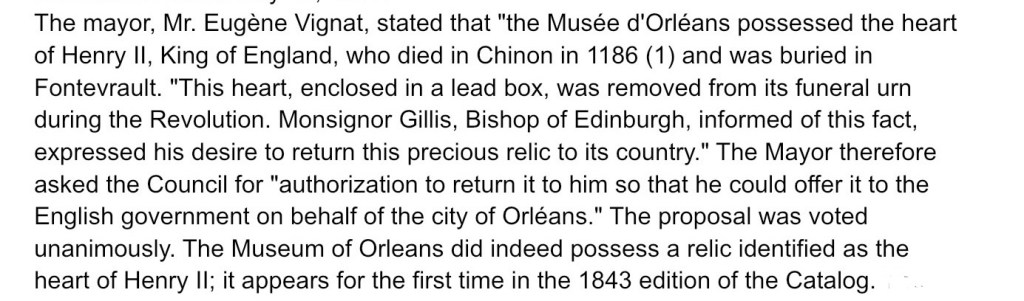
Author David Carpenter, the preeminent expert on Henry III, write to me the he saw the heart there in 1982. And there, as far as anyone knows, it remains.
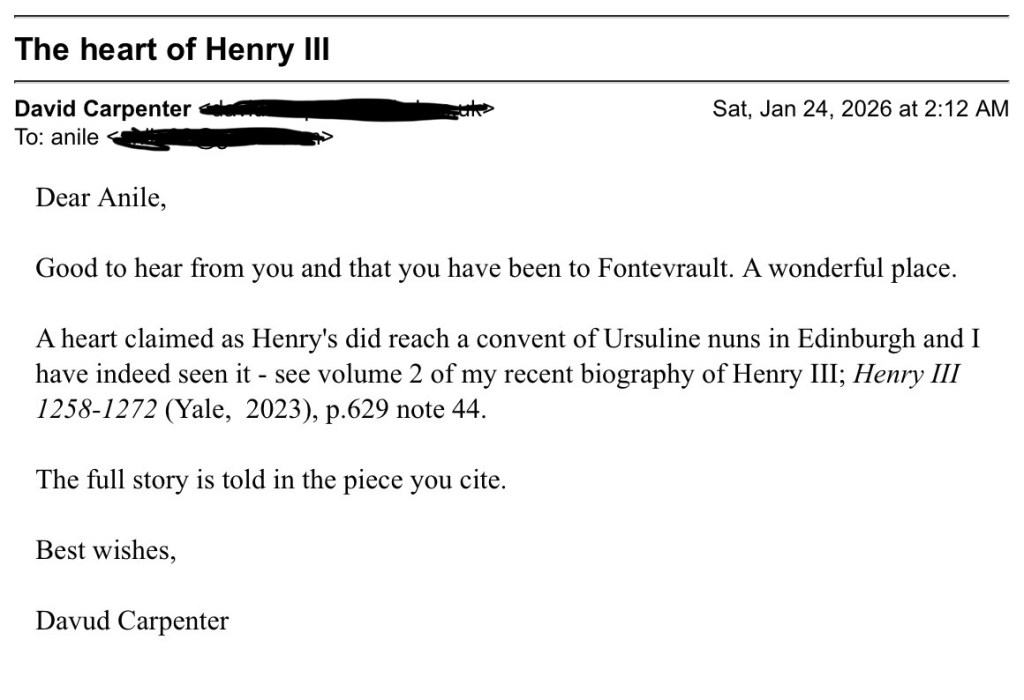
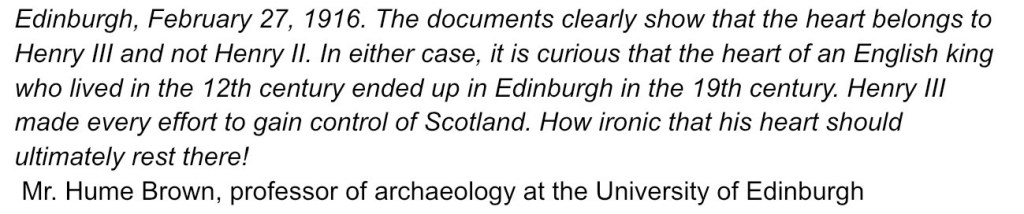
In these sources, you may notice that the heart is quite often referred to as belonging to Henry II. It was sold to Mr. Cretté as such, and continued to be referred to in this way for 60 years. It was an Abbess in Edinburgh who became suspicious of the designation. In 1888, she wrote that she had conferred with several top scholars and they all concluded that it was the heart of Henry III. What is the evidence of this? The burial of Henry II is well documented, and although the accounts differ wildly, none mention the removal of his heart, and they all agree that he was buried swiftly at Fontevraud Abbey. If his heart had been removed, one can assume that it would have been sent somewhere else, and not simply buried beside him. And so, since Henry III had asked that his heart be sent to France, and Edward acknowledged his wishes and saw the deed done, and it was found at the abbey where Edward said it was buried, these scholars all agreed that it does belong to the Third, and not the Second.
Note: In this account I have attempted to keep things concise, and therefore have omitted, admittedly, a lot of lengthy detail. For further reading please see the sources which I have relied on and quoted from. In addition, following this list, I will soon relay the exciting story of how I found all the supporting documents and all those who helped me out, especially in searching for early documents in French, which I do not speak. Thanks for hanging in with me on this journey! -AW
Sources:
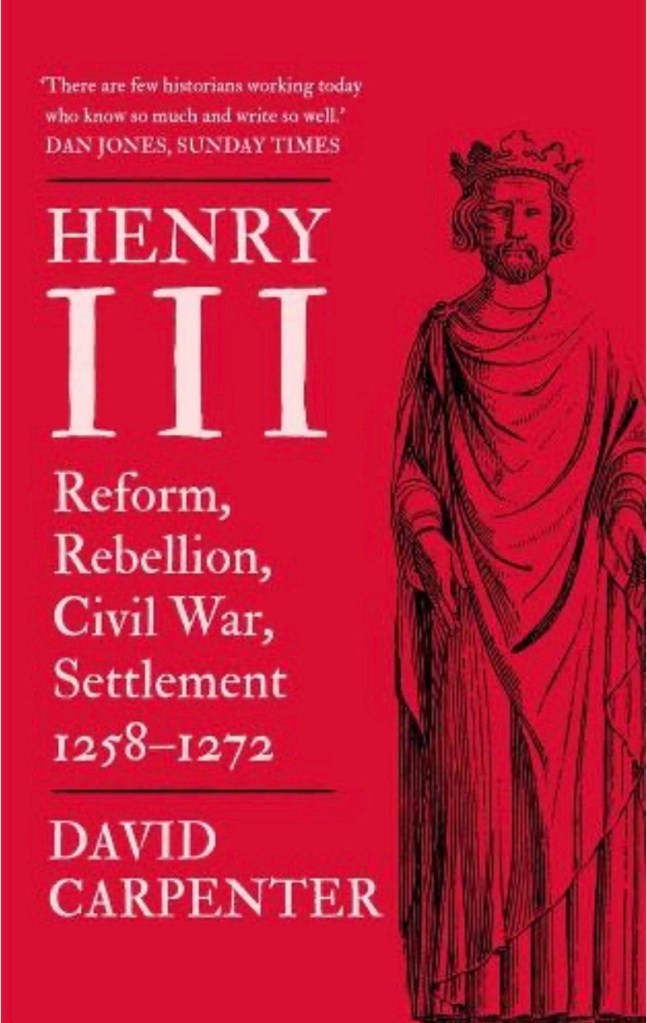
David Carpenter, Henry III: Reform, Rebellion, Civil War, Settlement 1258-1272, The English Monarchs Series 2, Yale Press, 2023
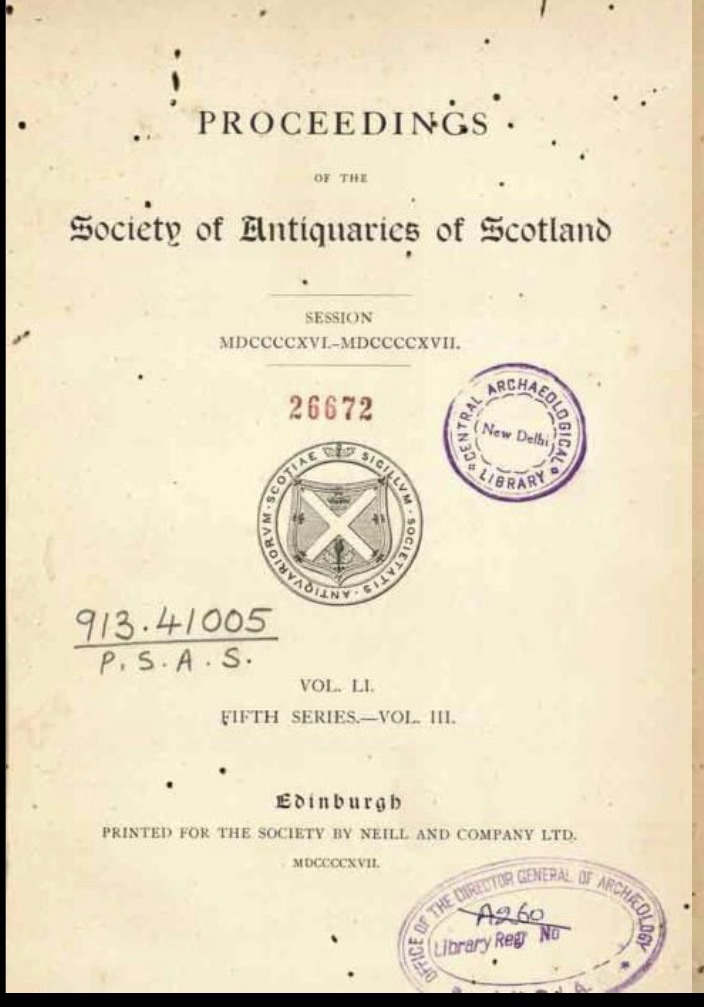
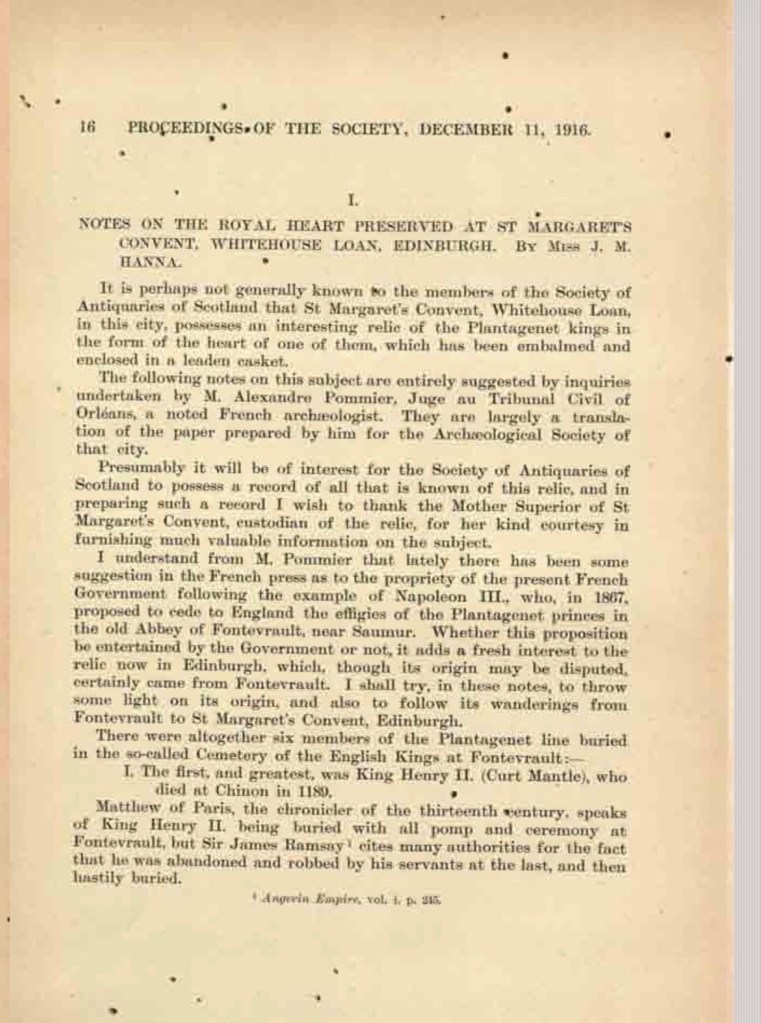
Miss J. M. Hanna, Notes on the Royal Heart Preserved at the St Margaret’s Convent, Whitehouse Loan, Edinburgh, Proceedings of the Scotland Society of Antiquities, 1916
Pommier Alexandre, Observation sur une relique possédée autrefois par le musée d’Orléans sous le nom de Coeur de Henri II (Plantagenêt) in Société archéologique et historique de l’Orléanais, 1916
Montfaucon, Les Monuments de la Monarchie, volume II, 1820
Louis Courajod, Gazette des Beaux-Arts, volume XXIII, 1867
Journal of The Société Française d’Archéologie Angers and Saumur,1910
For more reading about the practice of separate burials, see:
Alison Meier, Bury My Heart Apart From Me: the history of heart burial, Atlas Obscura, 2014
 Our Big Move To France
Leave a comment