How it all came about and the people who helped along the way
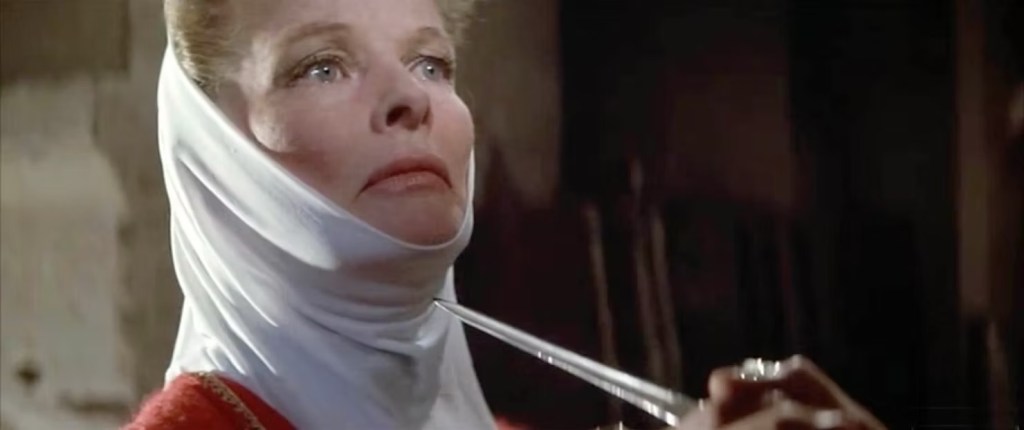
I can’t remember when I became infatuated with Eleanor of Aquitaine. I don’t remember the first time I saw The Lions in Winter, although I am a child of the 60’s and would have been aware of this powerful movie when it came out in 1968. The movie resulted in 3 Academy Awards, and Katherine Hepburn’s third Oscar. It was a big deal.
But I have always loved reading biographies of women in history. Women who suffered, those who became powerful in their own right in spite of the oppressive patriarchy. These women have always been my guiding stars. ( My other favorites besides Eleanor, are Artemisia Gentileschi, Eleanor of Toledo and especially Katherine Swynford.)
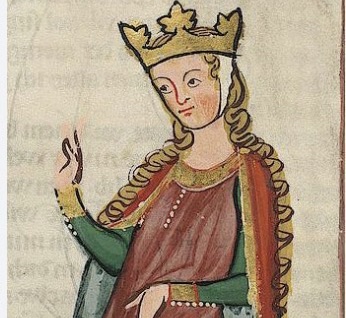
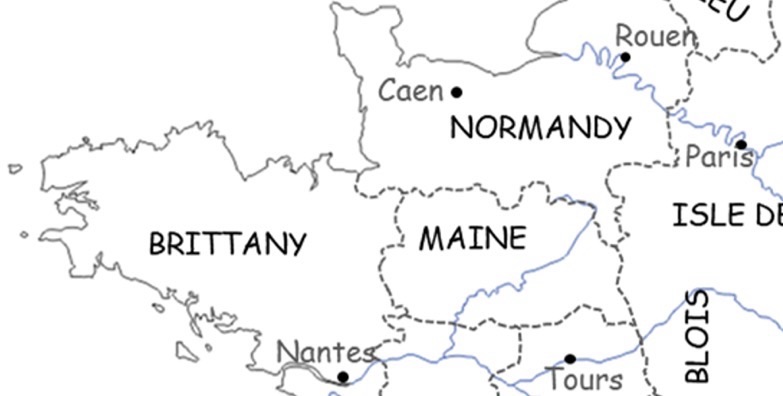
So imagine my delight and strangely disconnected surprise when I realized we had landed right smack in the middle of Eleanor’s world! The Plantagenet dynasty of Norman descent would rule England for 300 years. The Norman Conquest, the Hundred Years War, the Battle of Agincourt… you might not know the details but you have surely heard the phrases. Hell, Ragnar lovers can take it all the way back to Rollo the Viking who became the first Duke of Normandy. The history of this area is surely fascinating to anyone who considers themselves to be an Anglophile. And here I am!
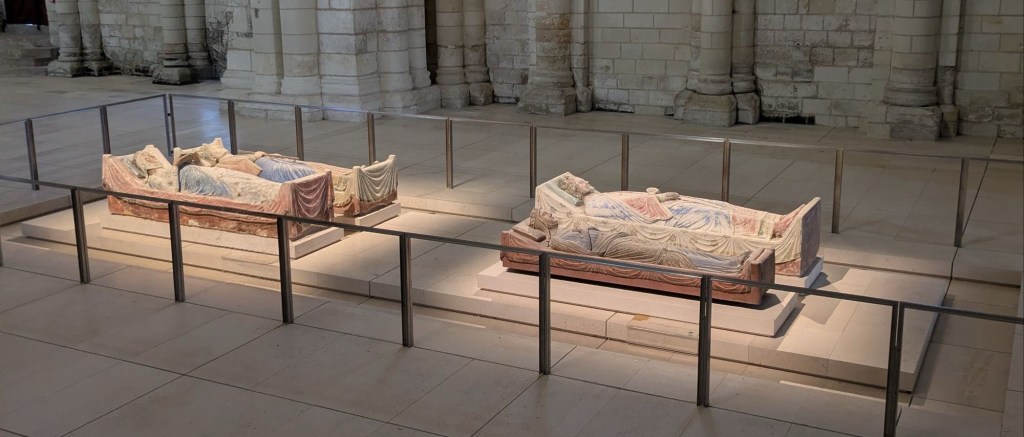
We went to Fontevraud Abbey (see previous post for details) to see Eleanor’s grave. That trip lead to discovering stories that you won’t read while visiting there. That the bodies are lost. That there were once 6 effigies and they have been moved many times. And the there was once an English king who decreed that his heart be placed in his family’s tomb.
My mind got stuck on the fact that no one seemed to know anything about this. I emailed the abbey and no one answered. We certainly didn’t see anything about that on our visit. So I asked a FB group I enjoy, Medieval England, and received answers that ranged from “Of course Henry II is buried in the abbey” to “this is a silly question from a silly person” to “no one is interested in this so go away”. Look, first of all I’m asking about the heart of Henry III not II, and yes he WAS there, but that has nothing to do with his grandson’s heart. And secondly, PLENTY of members were indeed interested!
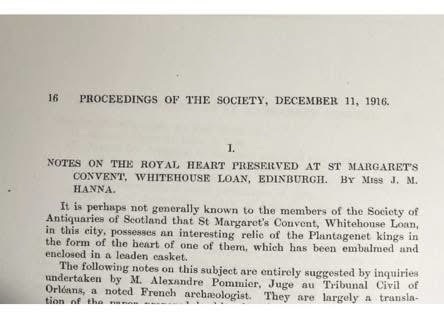
Among them was a gentleman who sent me the above blurry image of a 1916 essay entitled, Notes on the Royal Heart Preserved at St Margaret’s Convent. When I followed up asking for a link, he replied that he wasn’t good with links but the publication came from the Society of Antiquities of Scotland. Fortunately this society has been absorbed by the National Museum of Scotland in Edinburgh, a place I know well, as I have spent countless hours there, searching for nålbinding items. This journal didn’t take much sleuthing to find, as they have digitized all the journals going back over 100 years.
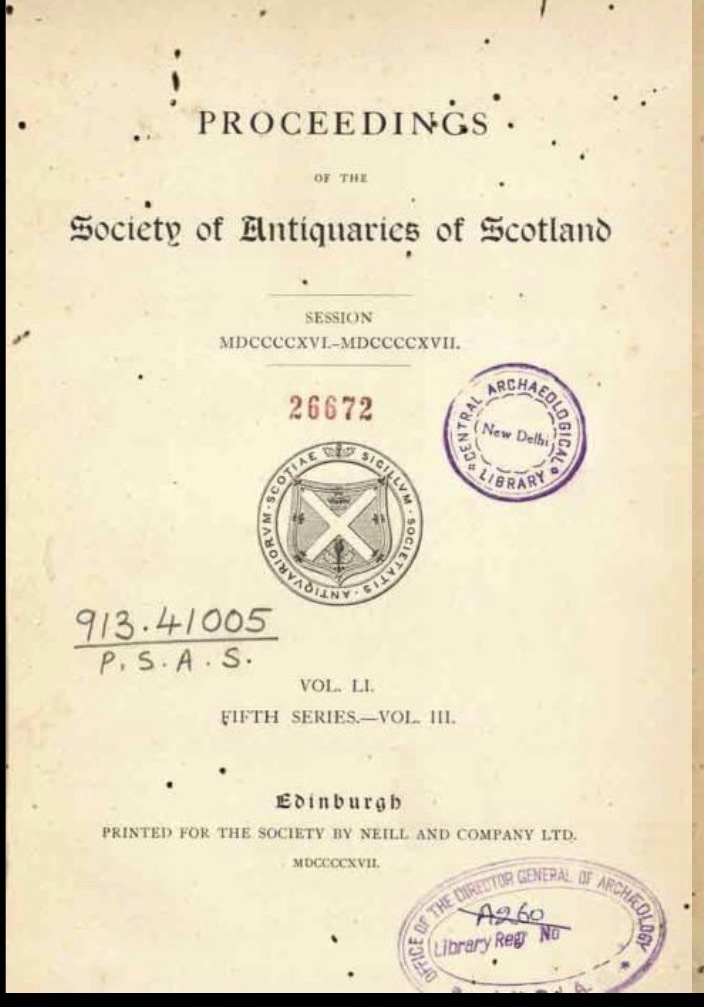
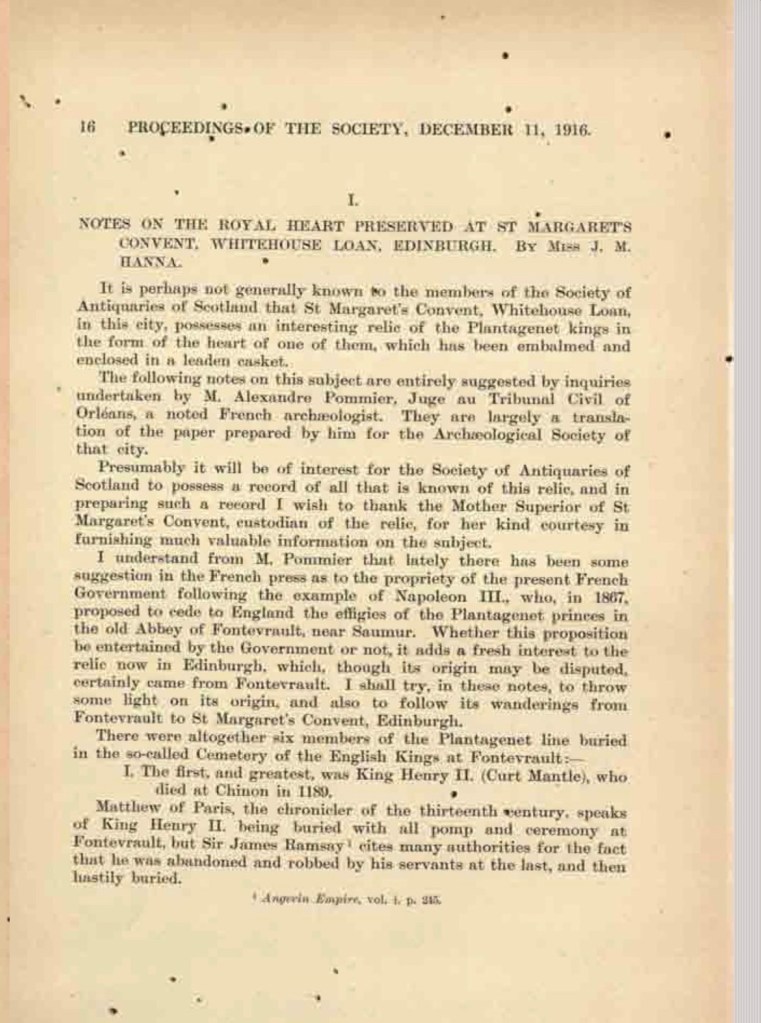
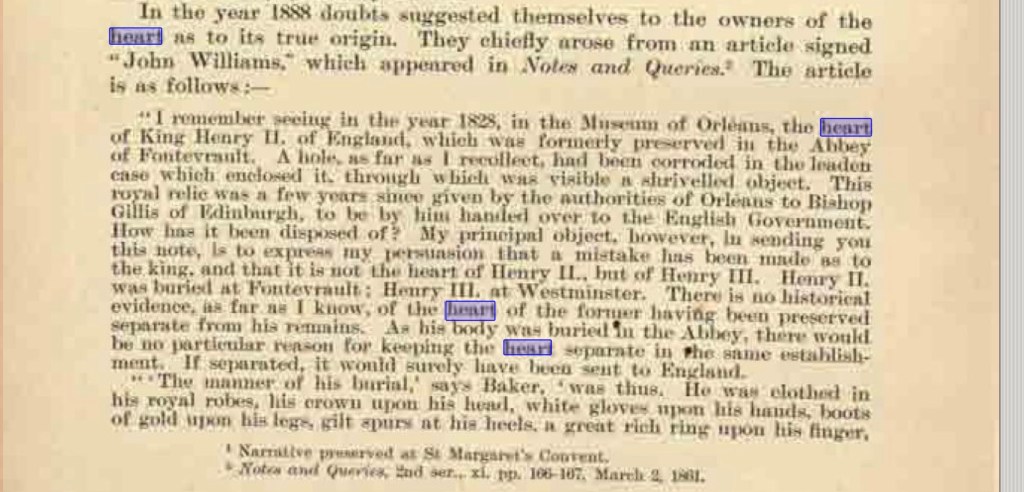
This account, by Miss J. M. Hanna (a woman no less! yay!) told the account of the heart with great detail. She stated up front that this information comes from the account of a Mr. Alexandre Pommier in another journal, published in France earlier that same year. Right then, I got the idea to track down that publication as well as a few others that she cited in her footnotes. (Always look at the footnotes, people!) More on that later…
A second member of the Medieval England group suggested that I email the preeminent expert on Henry III, Mr. David Carpenter, Professor of Medieval History at Kings College London. “Really?” I thought. “Why would someone as prestigious as him bother with little ol’ me?” But what the heck? If you know me, you know I’m always the one never afraid to ask a question. So I did. And guess what… he emailed me back!!!
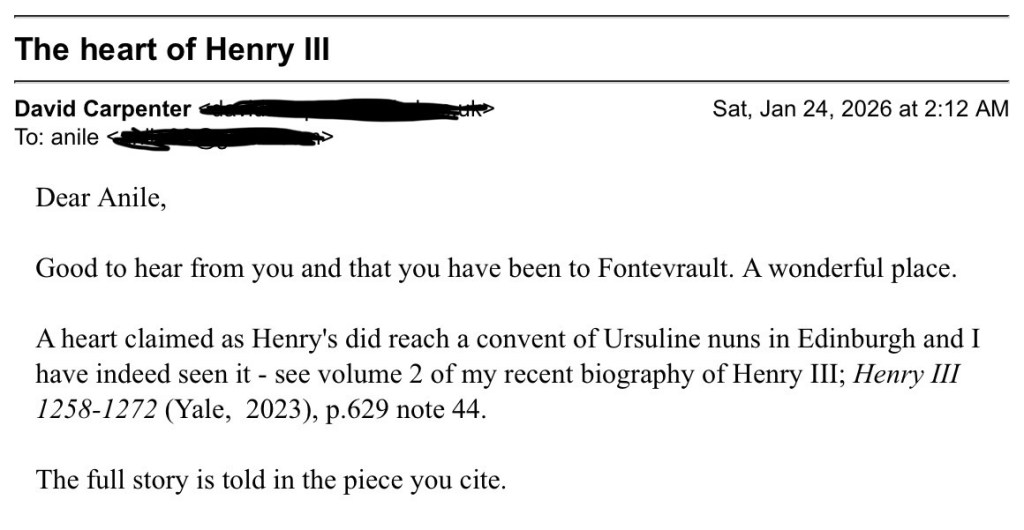
I about fell out of my chair. Actually what I did was jump up and down and do a little dance of joy. He had SEEN THE HEART! And of course, the first thing I did was buy that book! However, on Kindle, the pages are different. After hours of reading and searching, I finally found his reference on page 1016. So again, it seems that all roads lead back to Mr Pommier.
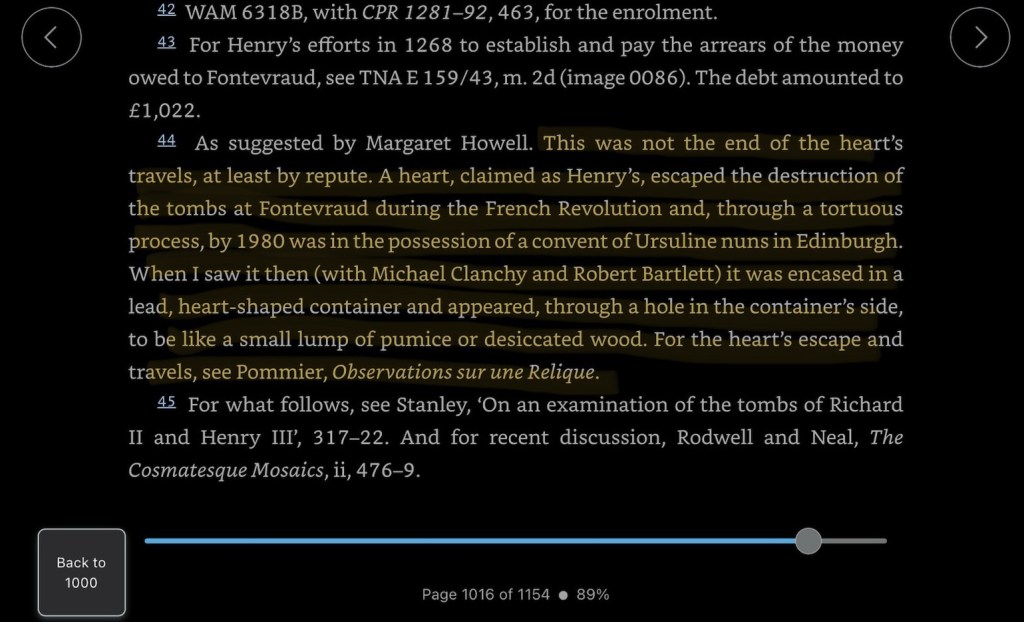
And now we get to the hilariously improbable part of the story of a rank amateur who speaks not a word of French, trying to find an obscure, undigitized essay in a 110 year old academic journal.

Looking up Alexander Pommier immediately brings up images and entries of a variety of apple! That was fun. I’m not particularly tech savvy, so it took me a while to figure out how to avoid this. (Please bear in mind that I don’t have a computer. I’m doing this all on my ipad) But I eventually did, and I found the article, as a chapter of a journal, on a website where you can order academic papers. But this one is not digitized. I emailed anyway, and got no answer.
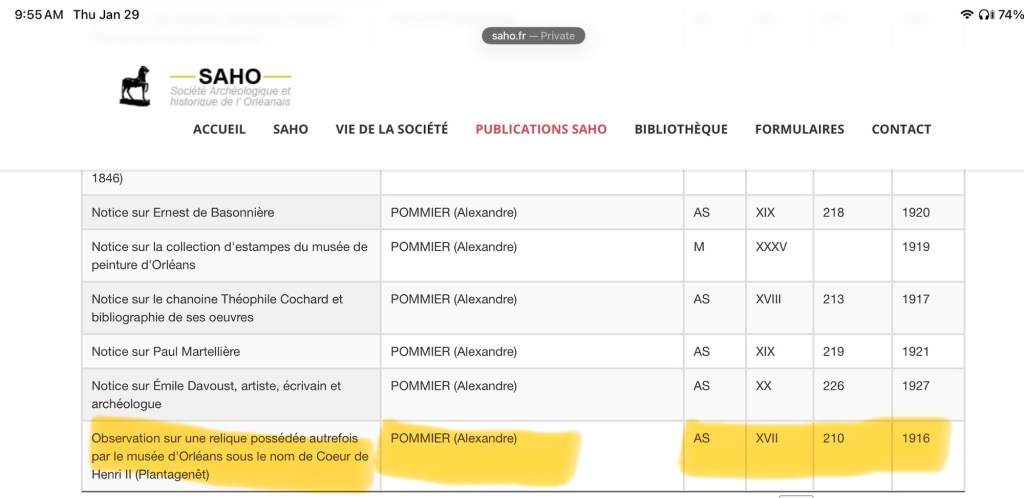
I eventually found it on a different website. But my weird ass brain gets so fatigued with trying to translate websites. It goes beyond using Deepl, but words mean different things. I don’t know why but I guess my brain just doesn’t work this way and it shuts down. So I can only do it for so long before I crash. I just couldn’t, for the life of me, figure out how to access this document.
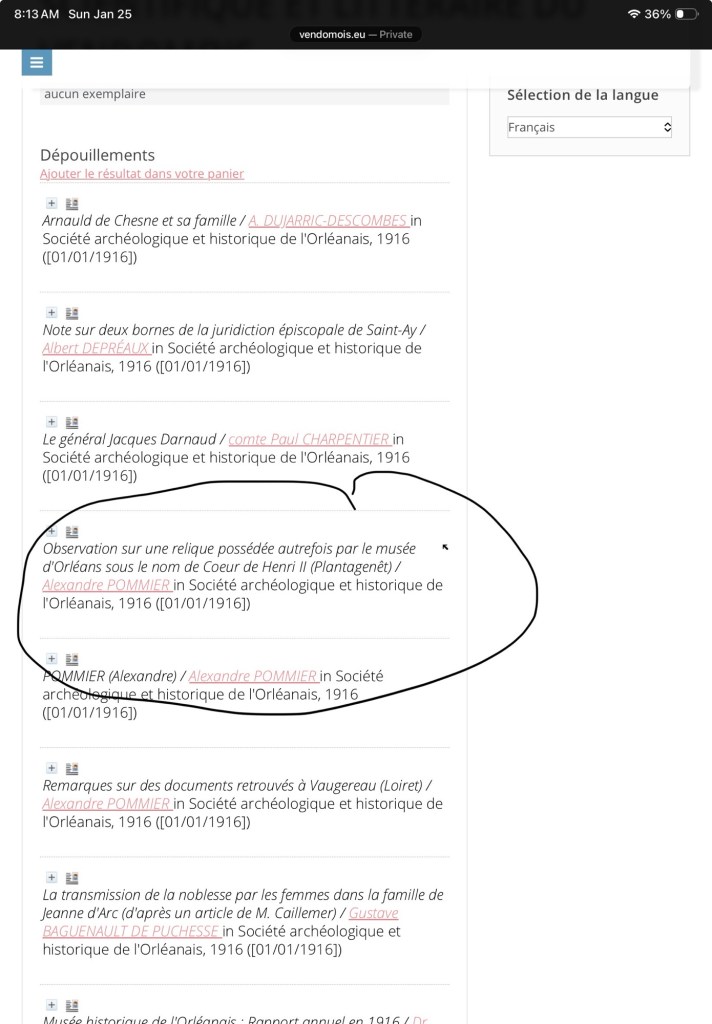
Finally, I emailed my French Airbnb host, Edgar. He loves books and philosophy and I asked if he could help me. After a couple of days he found out what I needed to know, and had an email address for me! So I sent off my request:
Good morning,
I am sorry that I don’t speak French. Please accept my apologies.I am looking for an article by Pommier Alexandre, published in 1916 entitled Observation on a relic formerly owned by the Orléans museum under the name of the Heart of Henry III(Plantagenet) I understand it might be in your archives. Is there a way to read it? I understand it may not be digitized.
I would very much appreciate any help you can provide. I am not a scholar, just an amateur trying to research the story of the heart of Henry III.
Thank you so much.
Four days later I got a reply. This gentle lady, the Librarian of the Societe Archeologique, Scientifique et Litteraire du Vendomois, emailed me a kind note, with photographs of the requested pages. That a professional took time out of her day to find this publication and personally take scan 10 pages to send to a nobody– Wow! I still cannot get over the generosity of this woman!
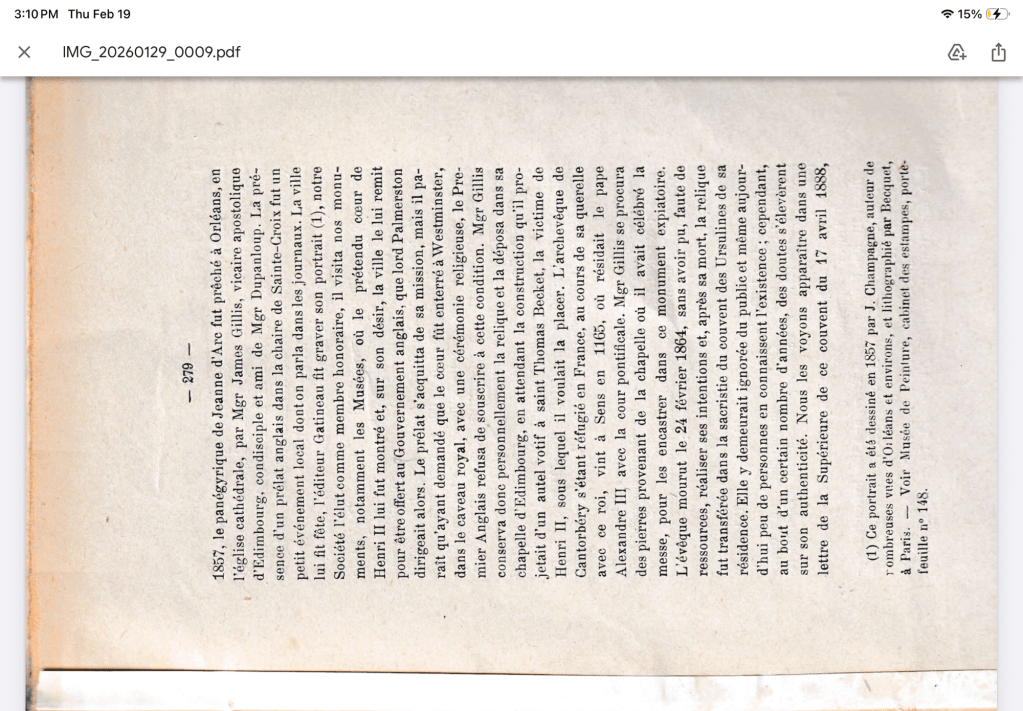
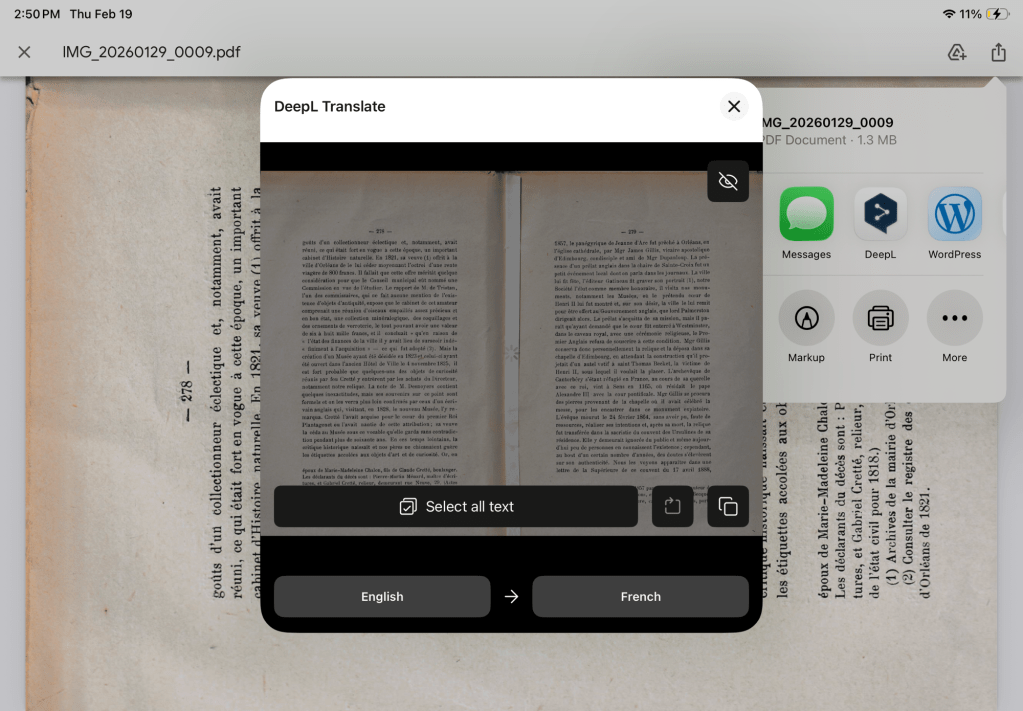
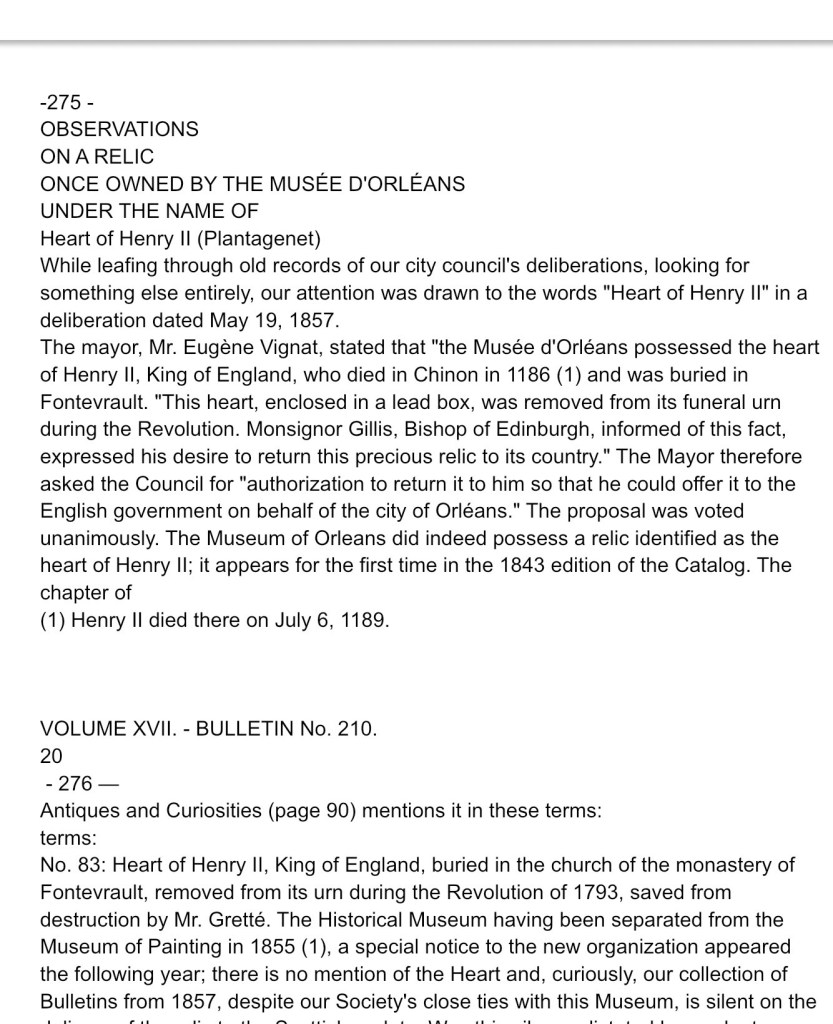
Now all I had to do is use Deepl to translate the photographs, save the text and paste it into a google doc, then edit to create a cohesive form. After several attempts, I got a lot better at it. Then it beagn the reading, taking notes, and whittling it all down.
After this adventure in finding documents, I began tracking down other works cited within the footnotes of both of these sources. The scope grew and expanded. I was able to find 3 additional sources, and each one added a few details or color to the account of Pommier.
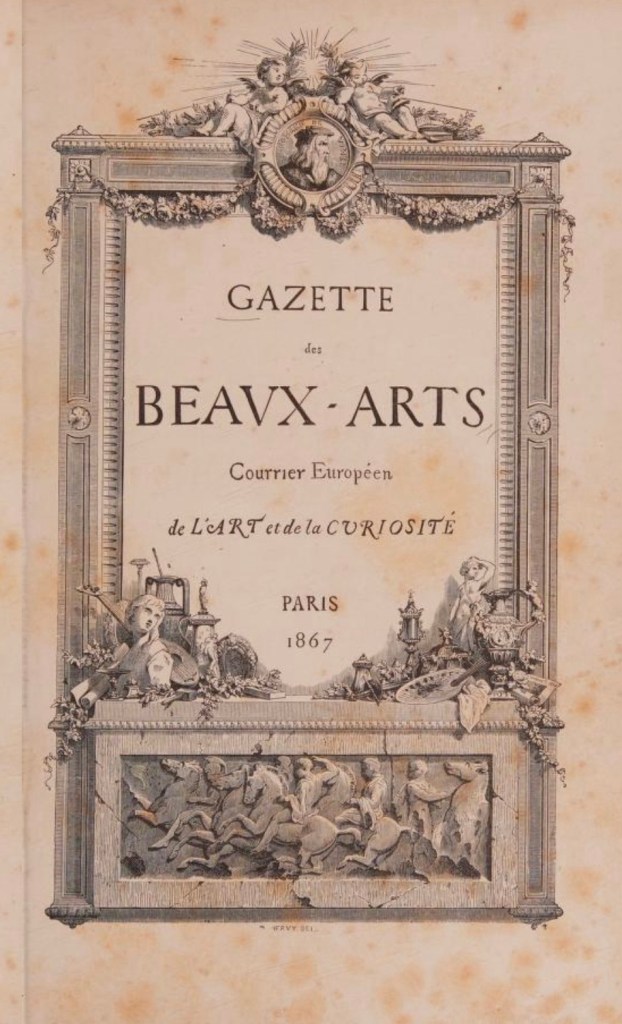
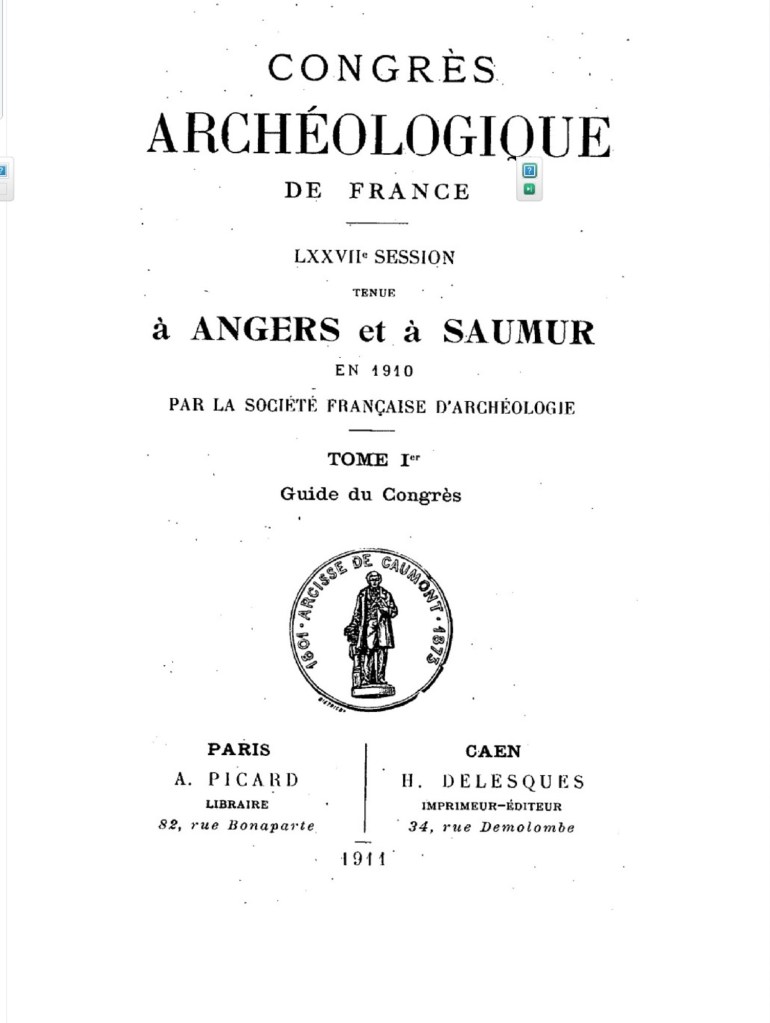
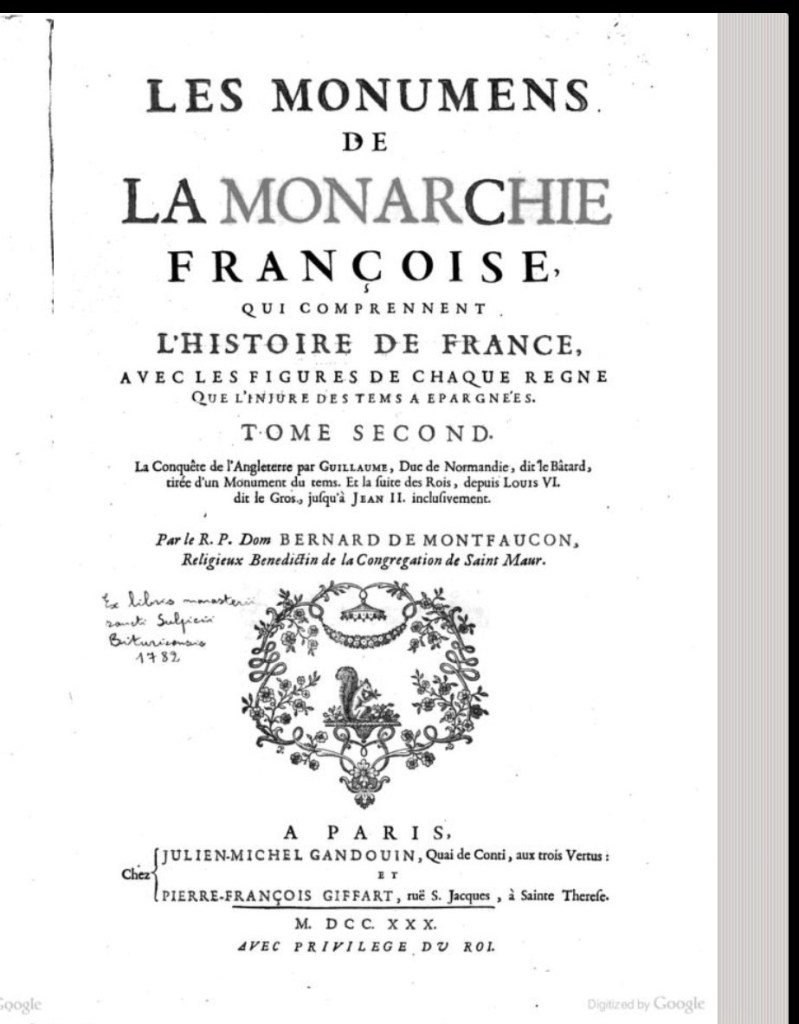
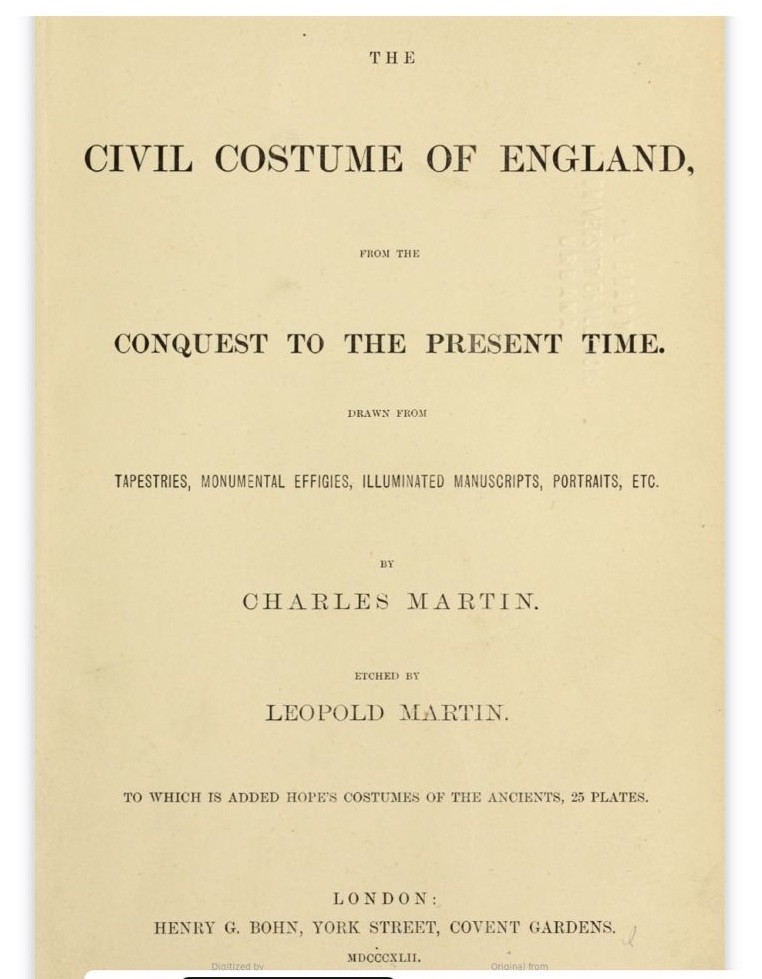
I am still on the hunt for any kind of sketch or lithograph of the actual tombs at Fontevraud before they were ransacked, and especially of the two missing effigies. So far I haven’t found any before the 1800’s.
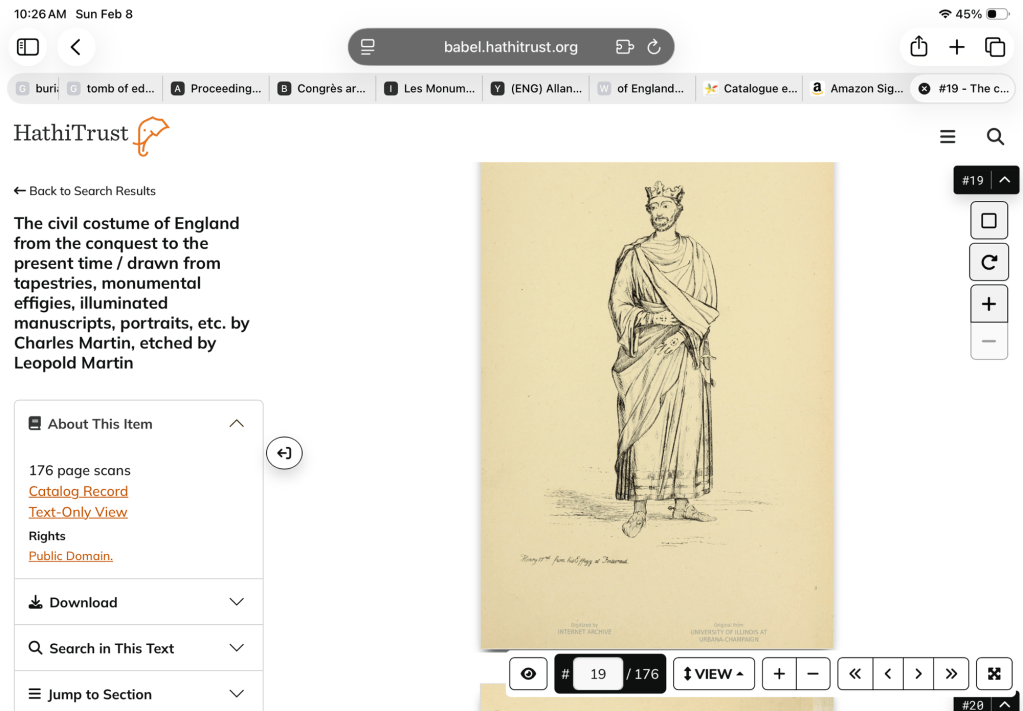
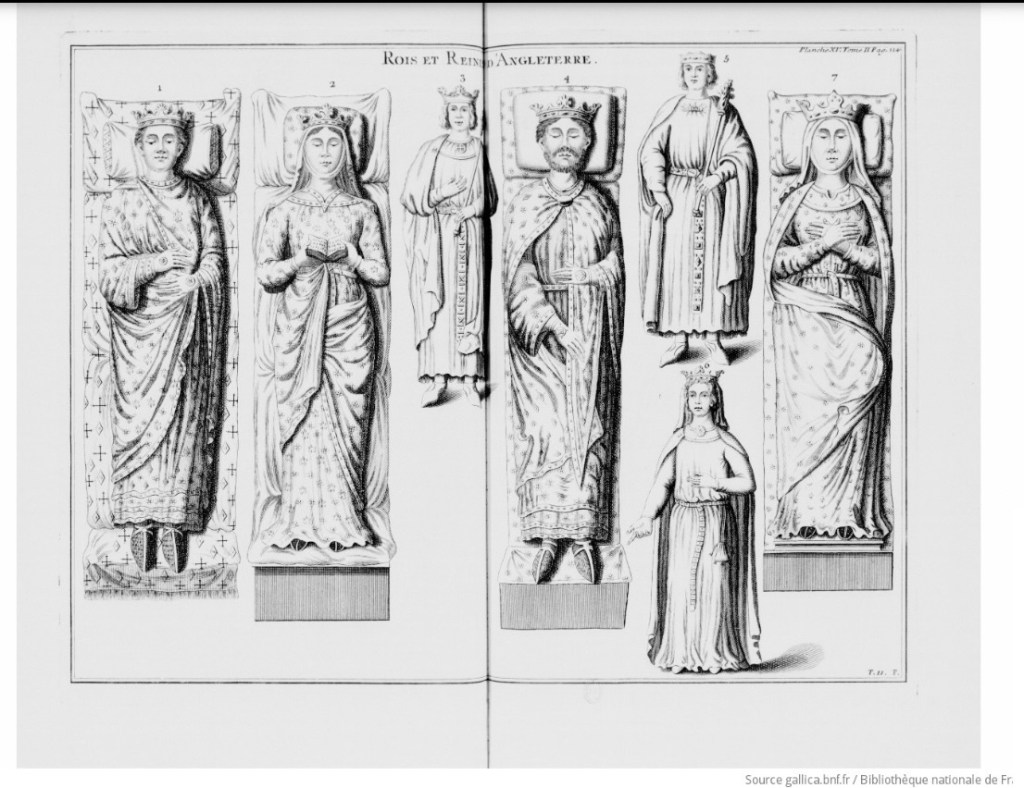
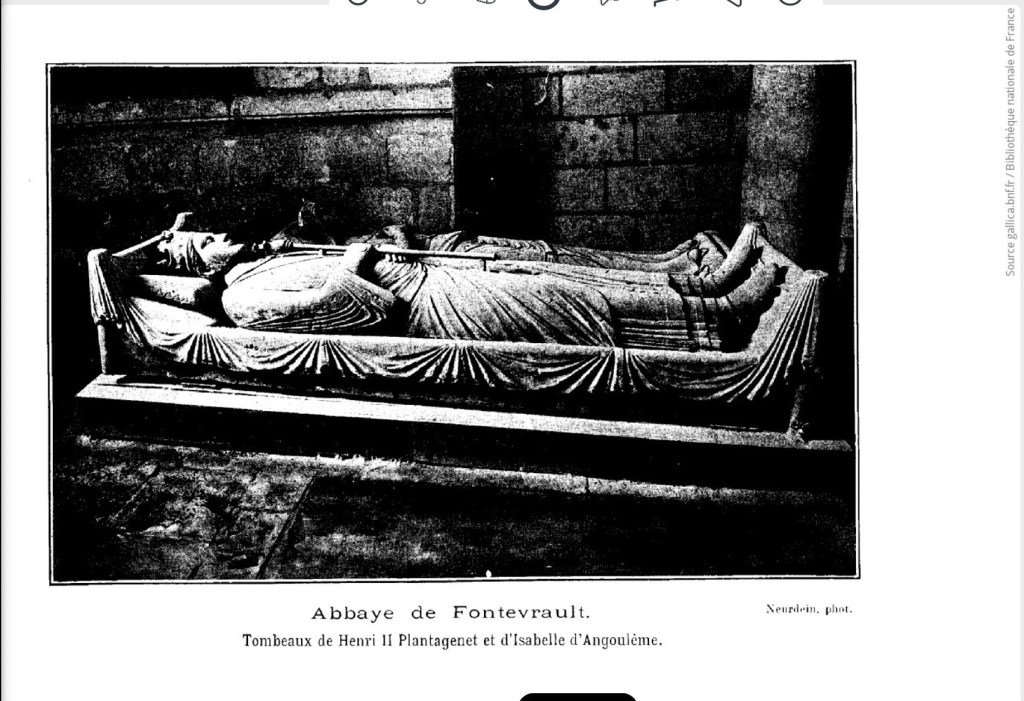
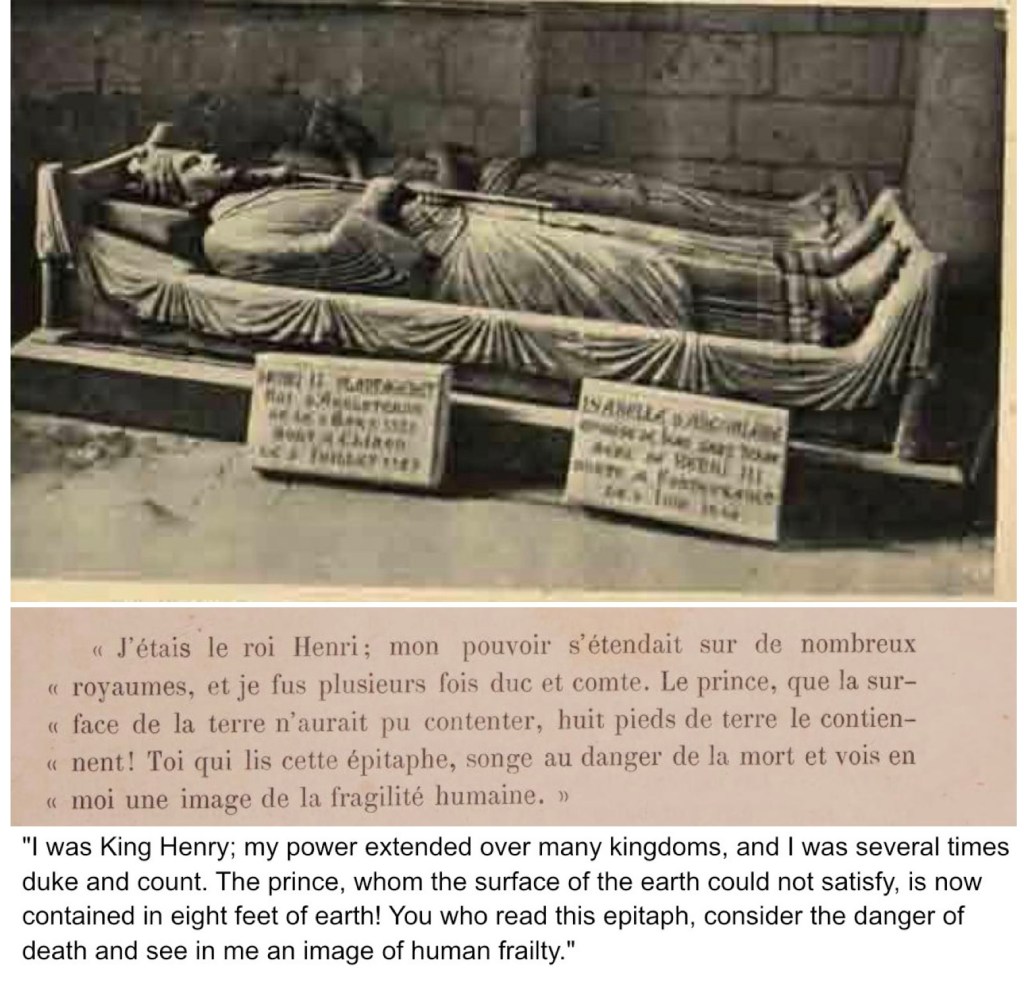
The articles can be confusing because all along, this heart was assumed to be the heart of Henry II. Finally I remembered that an Abbess in Edinburgh began to suspect that it did not belong to Henry II and enlisted some historians to find out. The consensus was that it indeed belonged to his grandson. (See my previous post, part 1, for details) I went back and reread everything with a much clearer head.
I took almost a whole notebook full of notes. Cross checked and correlated. I eventually boiled the story down, trying not to make it too long but also not leaving out important details. After about 8 revisions, it was ready to publish!
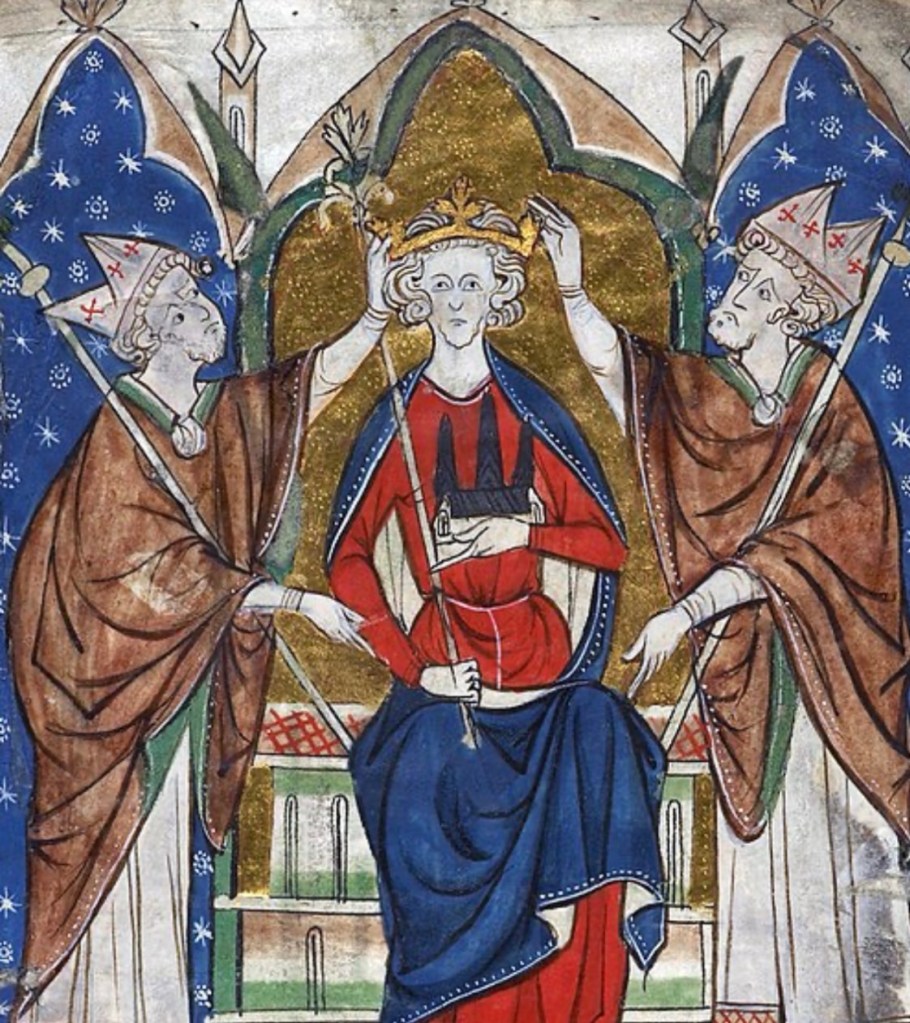
Living in this area so full of a history that I have a personal interest in has been exciting and intriguing. For people who live here and grew up here, it’s just their countryside, not really anything super noteworthy. I can understand that, but wow, this is a dream of a lifetime, a dream that I really didn’t even realize until I’m right smack in the middle of it!
Funny how things work like that…. Thanks for reading!
 Our Big Move To France
Leave a comment