Plus some others, not named Joan!
One of them most inspiring things about the history of where I am living, is these amazing women who bucked the norms of their times and lead with courage and audacity.
I love reading biographies of women. It began in elementary school with Calamity Jane and Annie Oakley. It continued through my Anglophile interests, most recently with Katherine Swynford and Eleanor of Aquitaine. And now, living in Flanders, I am obsessing over the roles women played through the history of this region.
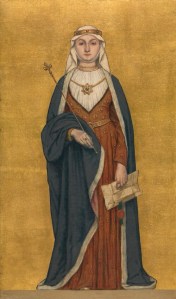
- Jeanne de Constantinople, Comtesse de Flandre: Jeanne (b. ~1199) lost her parents at the age of 6 and interested the title of Countess of Flanders. She was still used as a political pawn by her uncle and the king of France. She ended up in a situation where, at 14, she became the sole governor of Flanders. She became a leader who was skilled at negotiations, who championed women’s causes and the rights of the working class. She devised a cunning plan that safeguarded cities against the exploitative castellans, and improved commerce, industry and transportation. All while getting her greedy ass husband out of jail, outliving him, surviving the death of her only child, and finding peace in the end. I am preparing a whole post about here, coming soon!
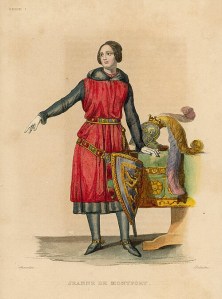
2. Jeanne de Flamme, Jeanne Montfort: Jeanne (b. 1295) was Duchess of Brittany. Held captive as a child by the French king because of her father’s rebellion, she married John Montfort and became Duchess of Brittany. When her husband was arrested in Paris and their lands granted to another relative, she mustered an army and led the rebellion. During a siege, she took up arms and dressed in armor. She decreed women of the town to “cut your skirts and take your safety into your own hands!” She snuck out of the walled city with 300 men, set fire to the French supplies and tents, and thereafter became known as Jeanne de Flamme. She led her naval forces and became known as a pirate. Her life was one of constant war. She died in captivity in England, but lived long enough to know that a victory had finally come to her son.
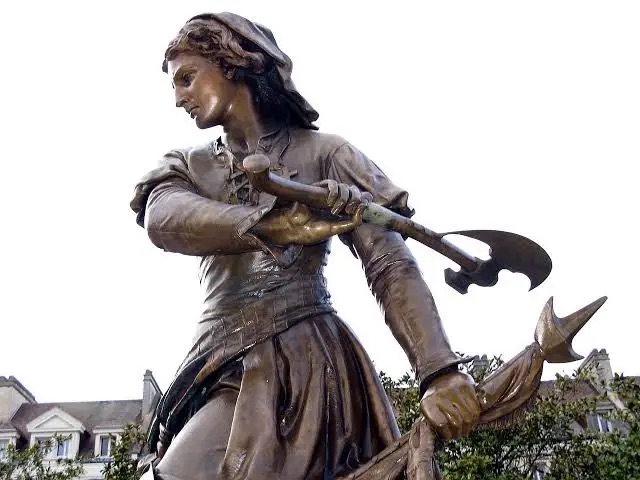
3. Jeanne Hachette, Jeanne Fourquette: This Jeanne (b. ~1454) was daughter of a businessman of Beauvais. When her town was held in siege, she wielded a hachet against a soldier attempting to plant the Burgundian flag on the battlements. She jumped on him, threw him into the moat and tore down the flag, reviving the dwindling will of her townsfolk and eventually repelling the attackers. As rewards for their courage, the King of France granted the town its charter, allowed the common folk freedoms not common in this time and granted Jeanne the right to marry her chosen lover.
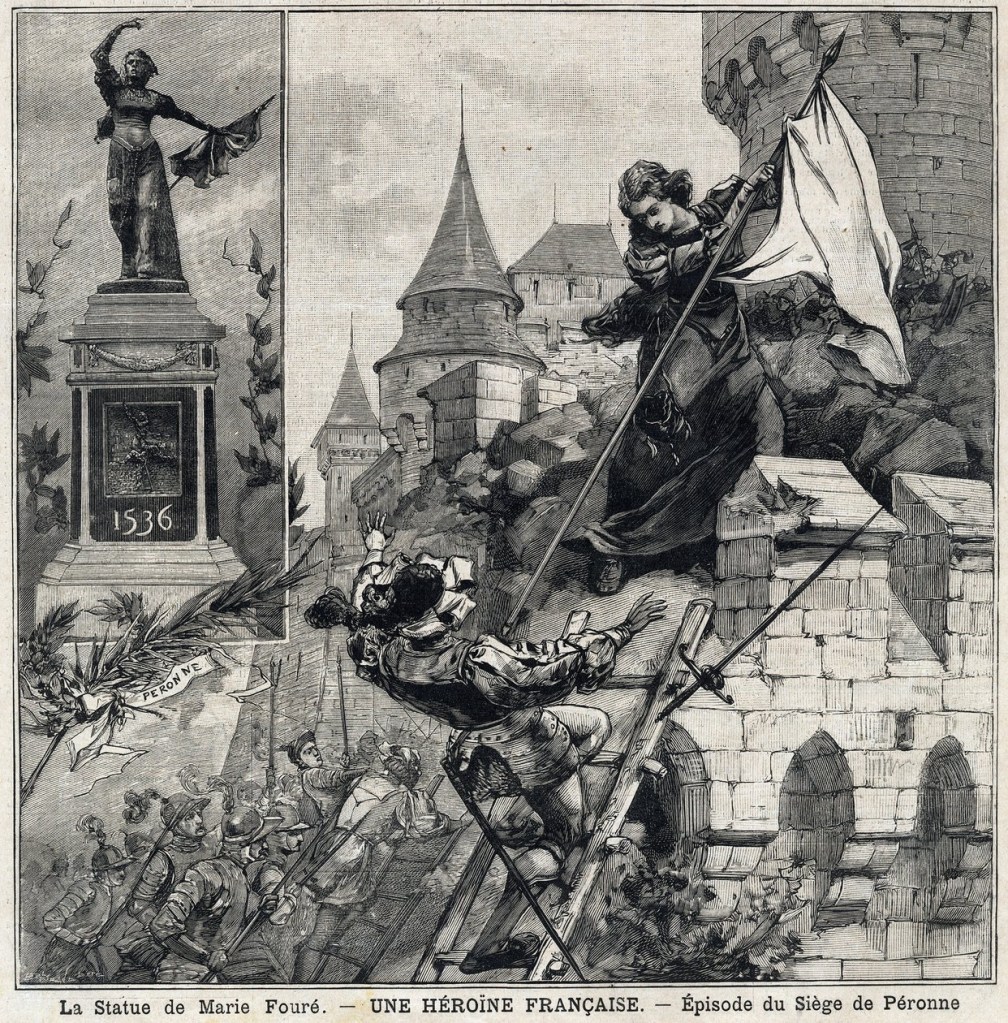
4. Marie Fouré, Catherine de Poix, Françoise de Suzanne: Her date of birth and death are unknown, but she defended her city in 1536 against the armies of Spain, who ruled the Netherlands at the time. Even her name is shrouded in myth and legend, but her exploits were documented by eye witnesses. Much like Jeanne Hachette, she ran to the enemy soldier attempting to plant the Spanish flag, knocked him off the ramparts and carried the flag back into town, rallying the people to resist the siege.
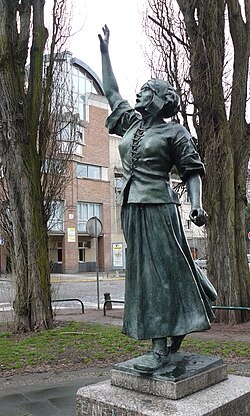
5. Jeanne Maillotte: In 1582, Jeanne owned a tavern on Rue de Courtrai in Lille, when word spread of an approaching army of the Hurlus, a noisy bunch of militant Protestants. She alerted the town regiment of archers, rallied the townsfolk and led the successful defense. She is memorialized in song and poem, and the Lille city archery club bears her name in her honor.
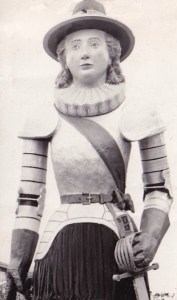
6. Anne Delavaux, Anna de Laval: Anne was a poor girl, born (~1625) in Lomme, a suburb of Lille (and where we first stayed when we moved here). At the age of 19, “Anna… dressed as a man, fled from her parents, and became a soldier”. She adopted the names Antoine Dathis, later Antoine de l’Espérance and fought as a man, earning promotions to the rank of sergeant and standard bearer, and eventually an appointment to Lieutenant. Surviving fierce battles for over 8 years, and even a capture and ransom, her gender was finally discovered when she was again captured by the French and stripped. She was not punished but offered a position. When she refused she was sent to the Marquette Abbey just north of Lille (where Jeanne de Constantinople died). She was basically thrown out due to her raucous behavior (lol) but found refuge in a different abbey in Belgium where she cared for her fellow soldiers until her death at the age of 46.
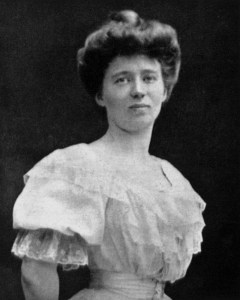
7. Louise, Queen of Spies: And finally we jump forward to World War I, and meet Louise Marie Jeanne Henriette de Bettignies (b. 1880). Under the name Alice Dubois, she spied on the Germans for the British in Lille, at times transmitting secret orders and German troops positions by writing in lemon juice on her petticoats, then revealing the messages with a hot iron. She set up a successful network of over 100 spies, called the Alice Network. She was eventually captured and imprisoned, dying in 1915 after 3 years of forced labor, shortly before the end of the war. She was awarded posthumously France’s highest honors and medals.
 An American in Lille
Leave a comment