Just to the east of Lille is a treasure trove of outdoor museums and green space
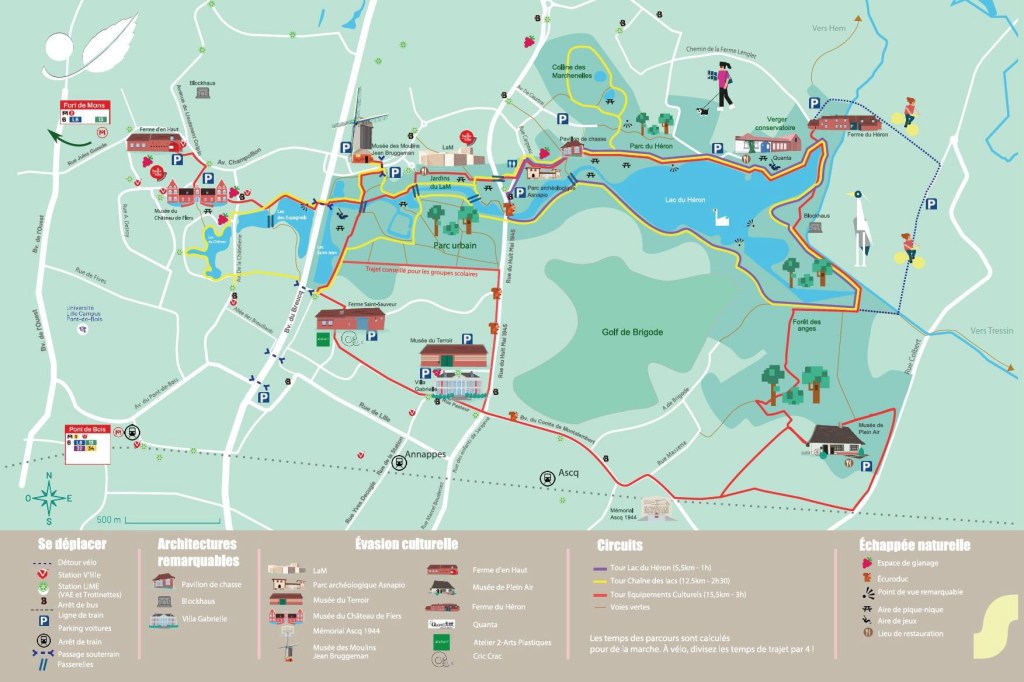
Villeneuve d’Ascq is a new city. Envisioned in the 1950’s and brought to fruition throughout the following decades, it was created as a new center of technology, education and innovation, to create space for business and people out of the rapidly overcrowding of Lille. (Isn’t this story of Lille since the 13th century?)
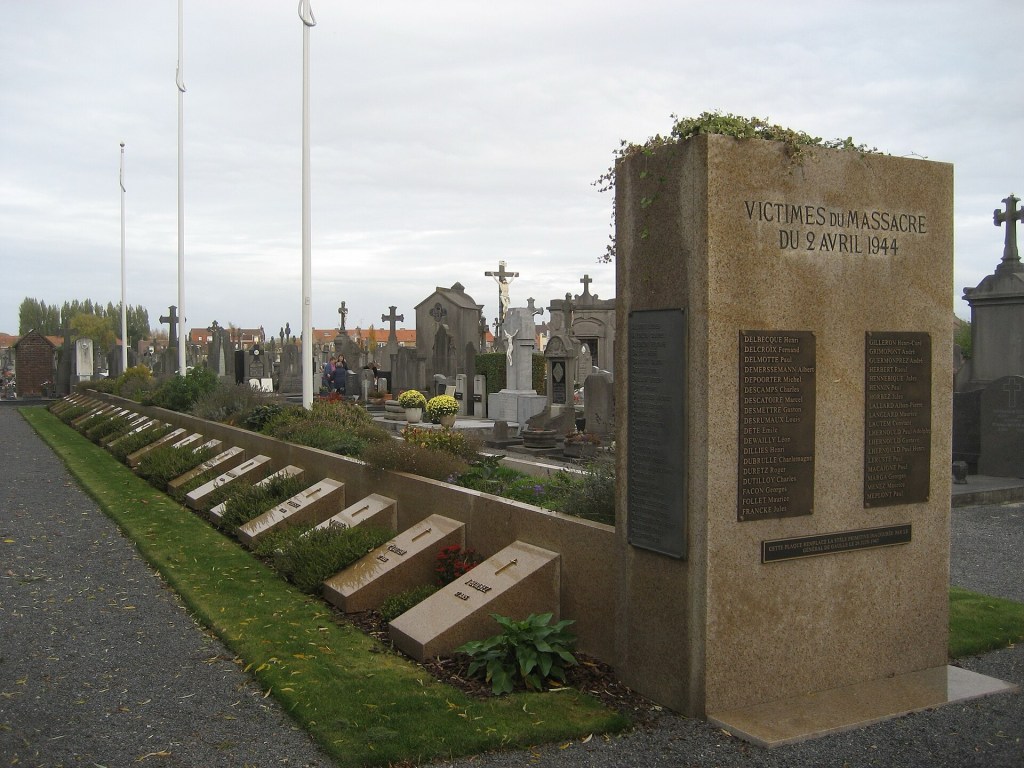
Consolidating the area of three small villages, the name itself honors the ville of Ascq, the site of a horrific Nazi massacre in 1944. The story is incredibly moving and afterwards the town put the Nazi murders on trial. Read more about it here.
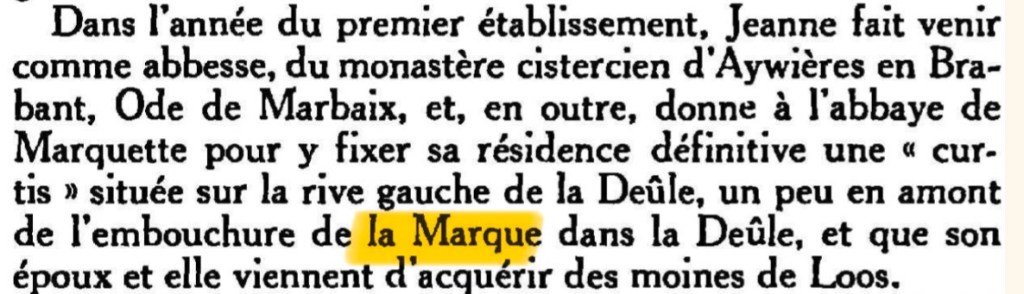
I had been reading an 1800’s book about the Abbey of Marquette. In it, the author often refers to “la Marque” which does not get translated by Google or DeepL. So I kept wondering what it was because the 2 rivers next to the site of the abbey are the Deûle and the Roubaix canal. There are many places called things like Marq-en-Baroeul and Forest-sur-Marque, so I wondered where exactly was this mythical river that they refer to? I couldn’t even find it on the map.
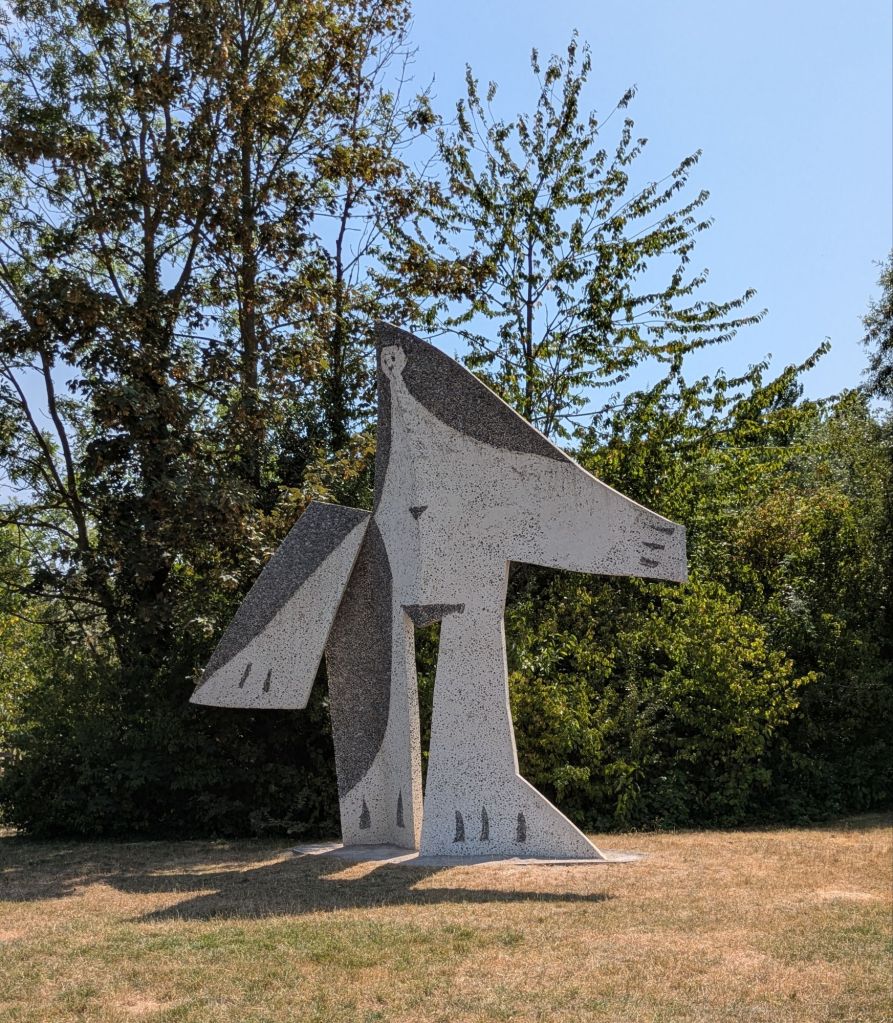
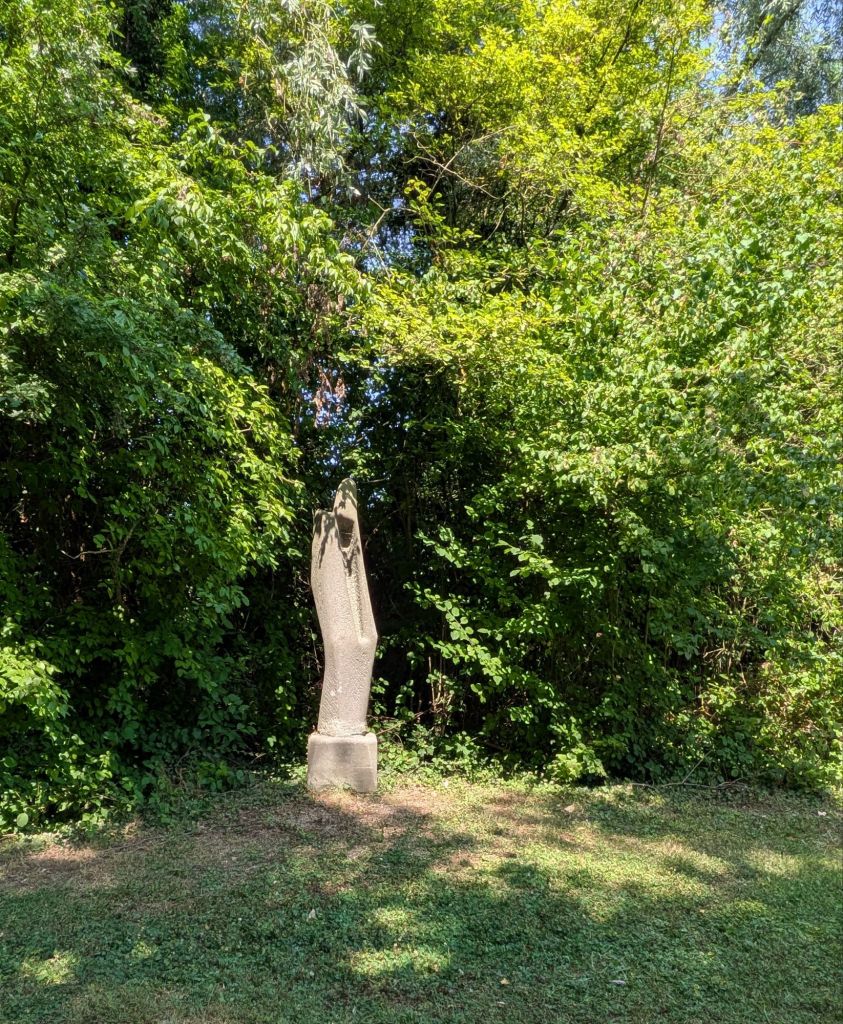
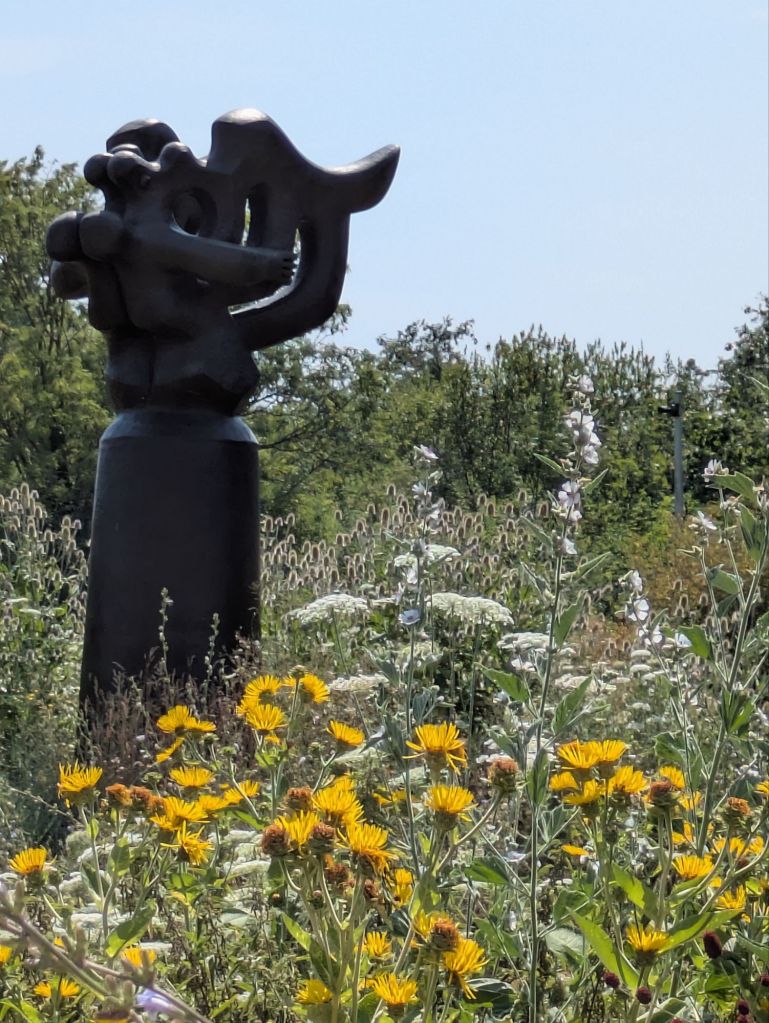
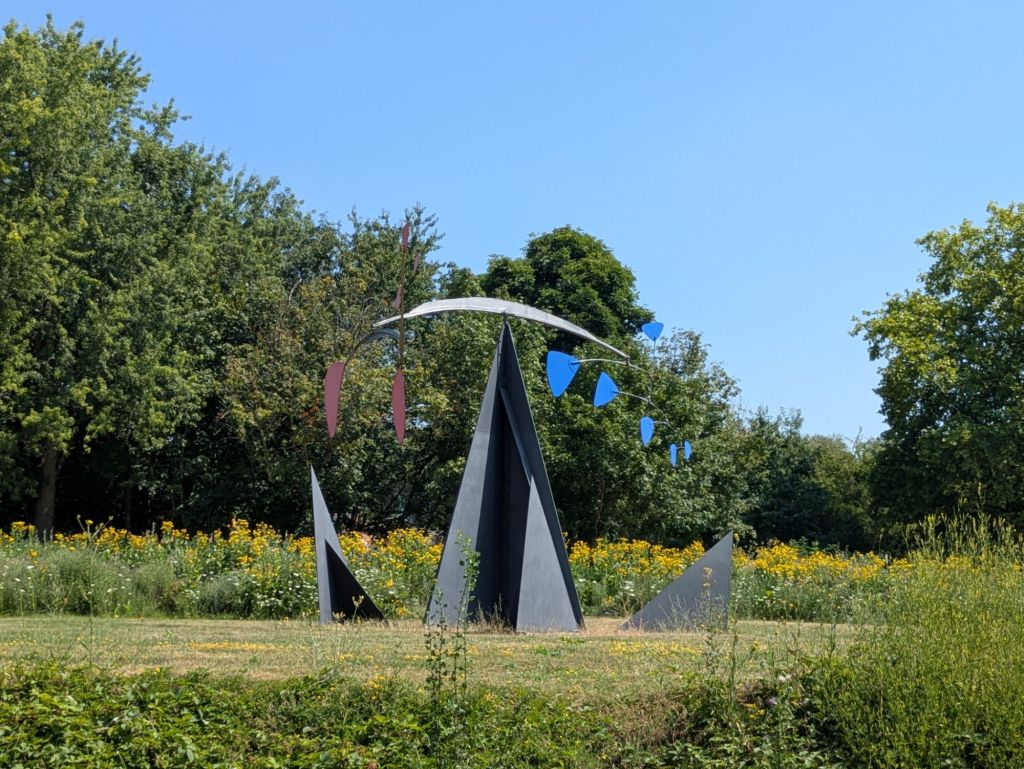
Turns out, it IS the Roubaix canal and it wanders south, but is often covered up by development and highways. With a little diligence you can trace it for miles. And guess what I found lying beside it? A museum of modern art! With an outdoor sculpture park! And if you know me, you know this gets me very excited. So this triggered our first bike trip east. Terry is amazing at researching the best routes, and off we went. Visit the LaM, Lille Métropole Musée d’art moderne, d’art contemporain et d’art brut here.
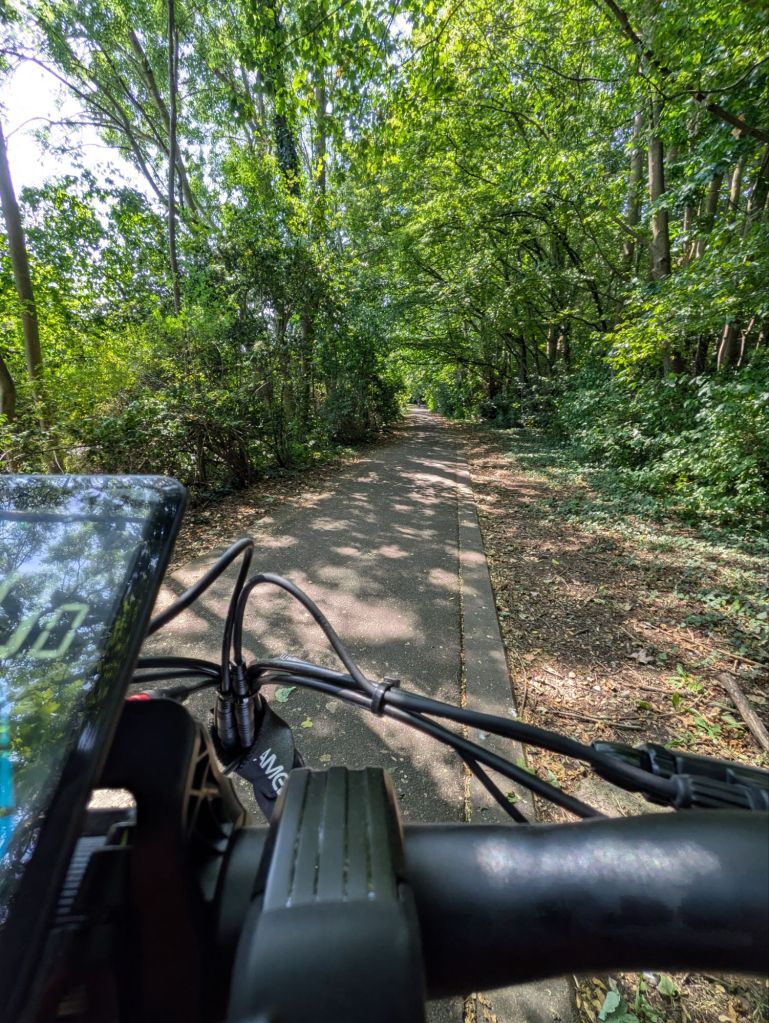
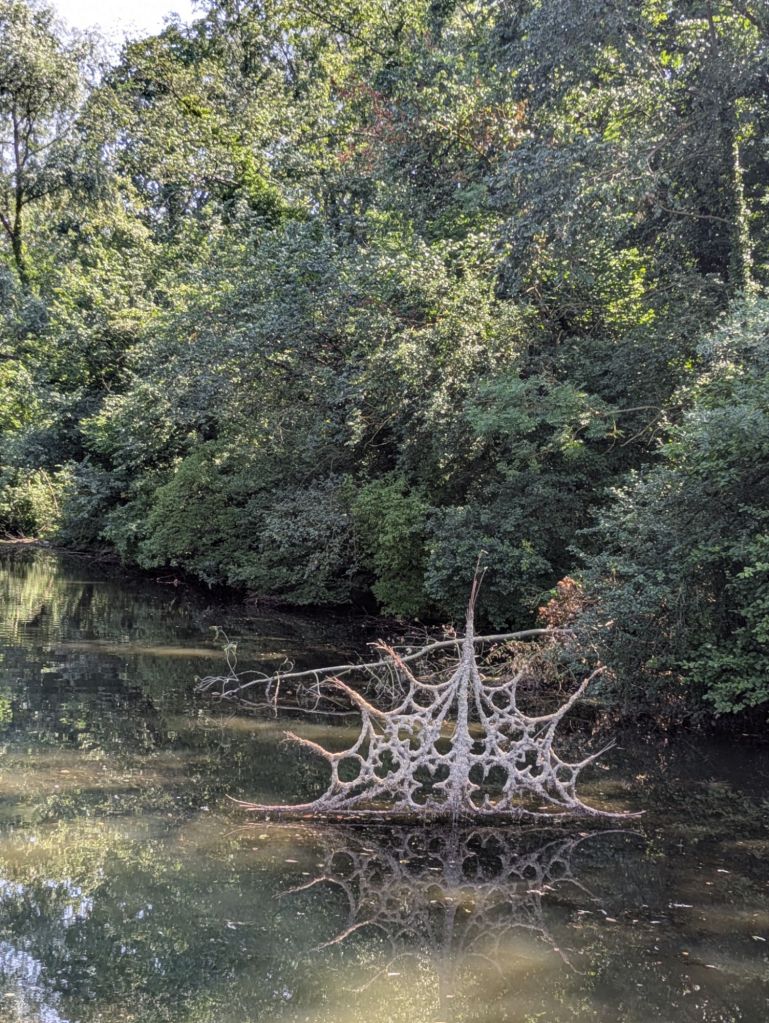
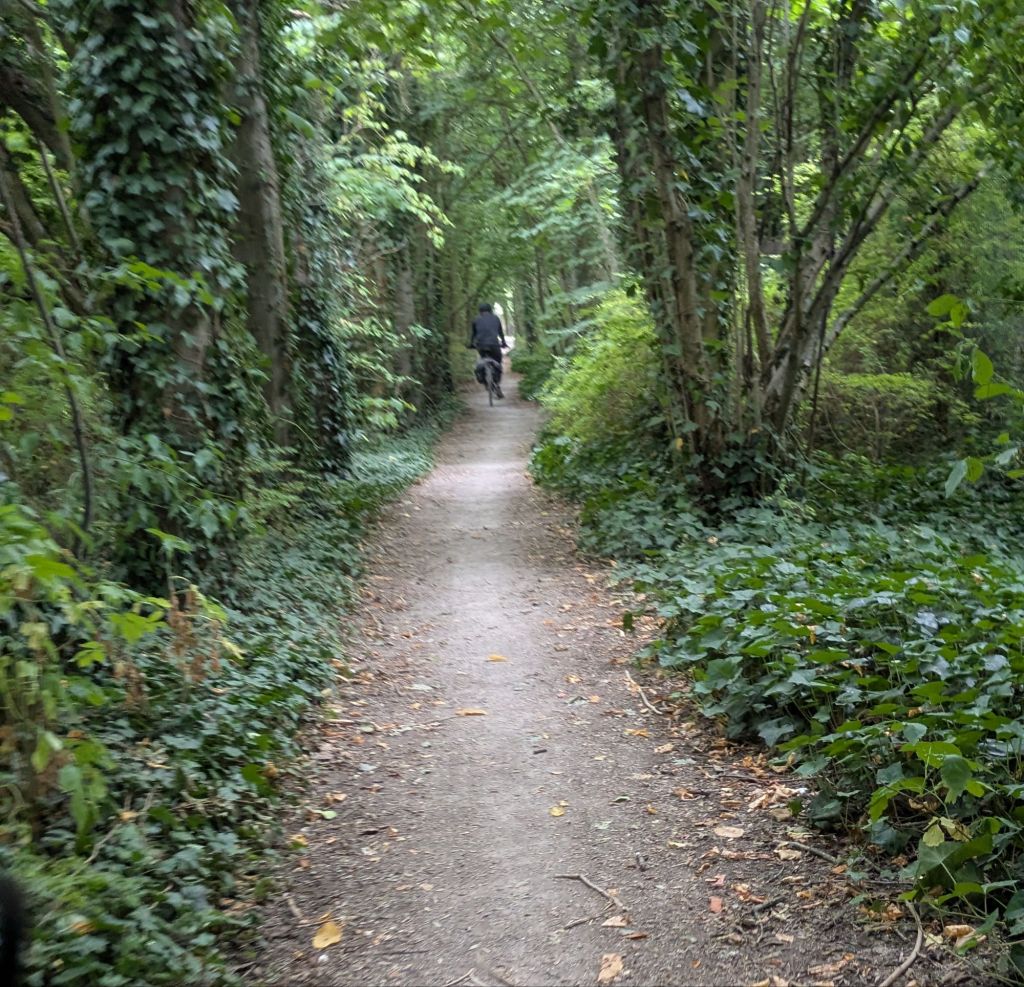
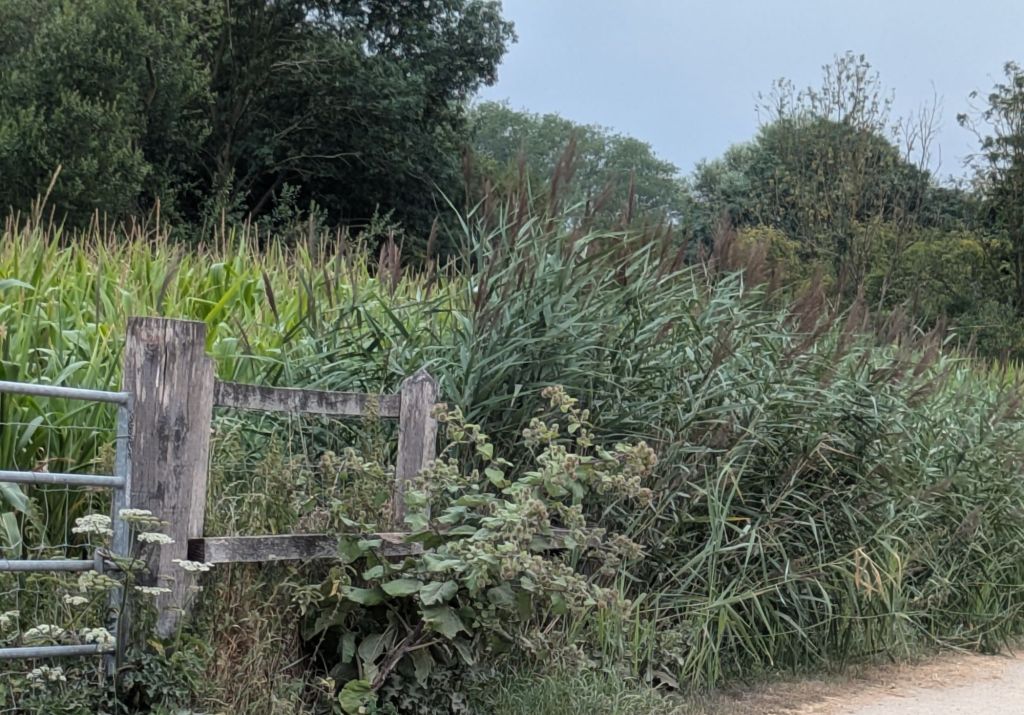
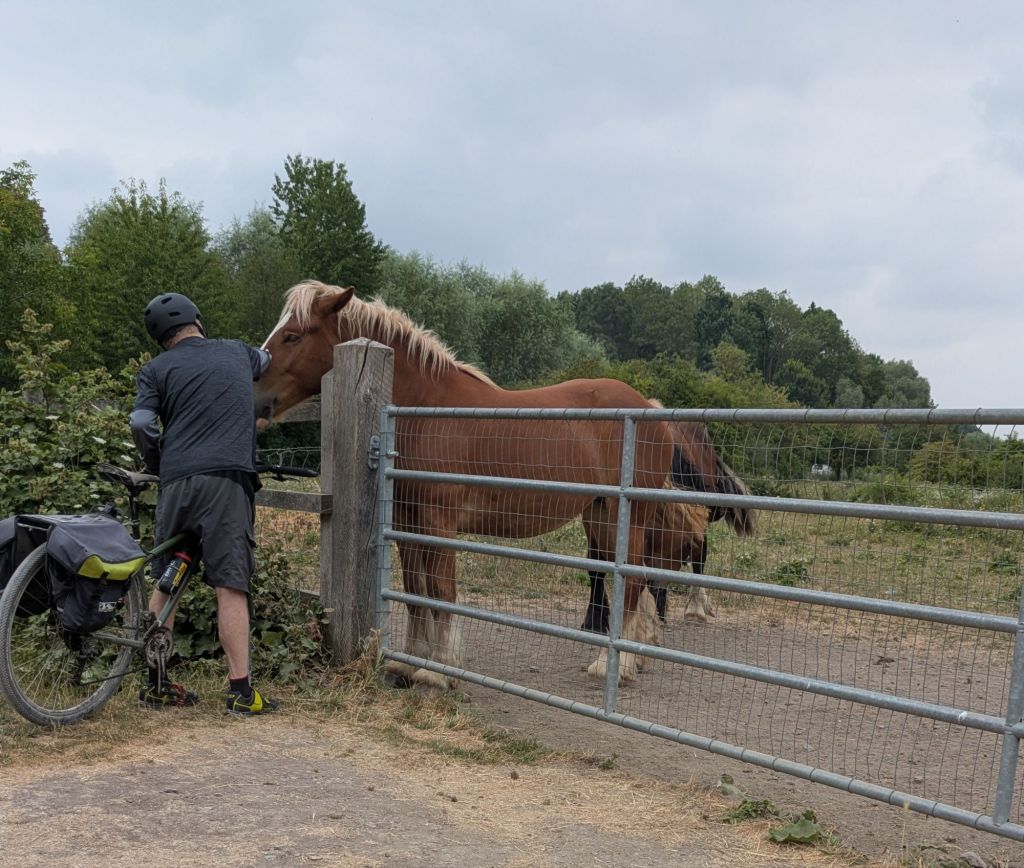
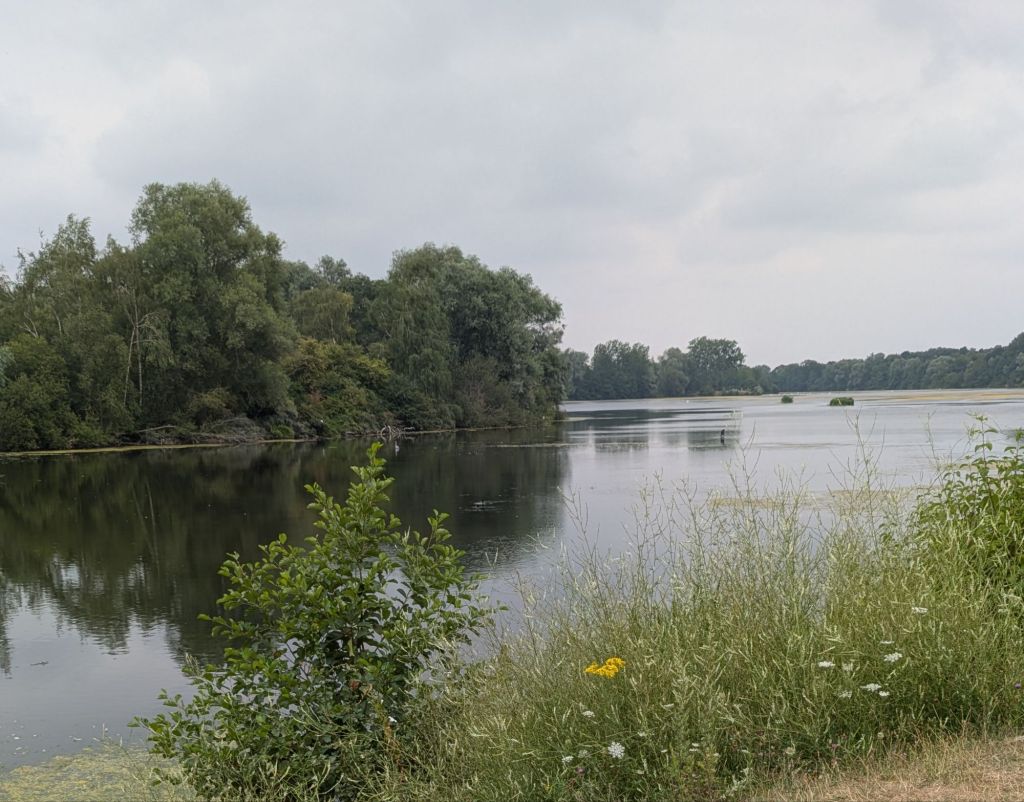
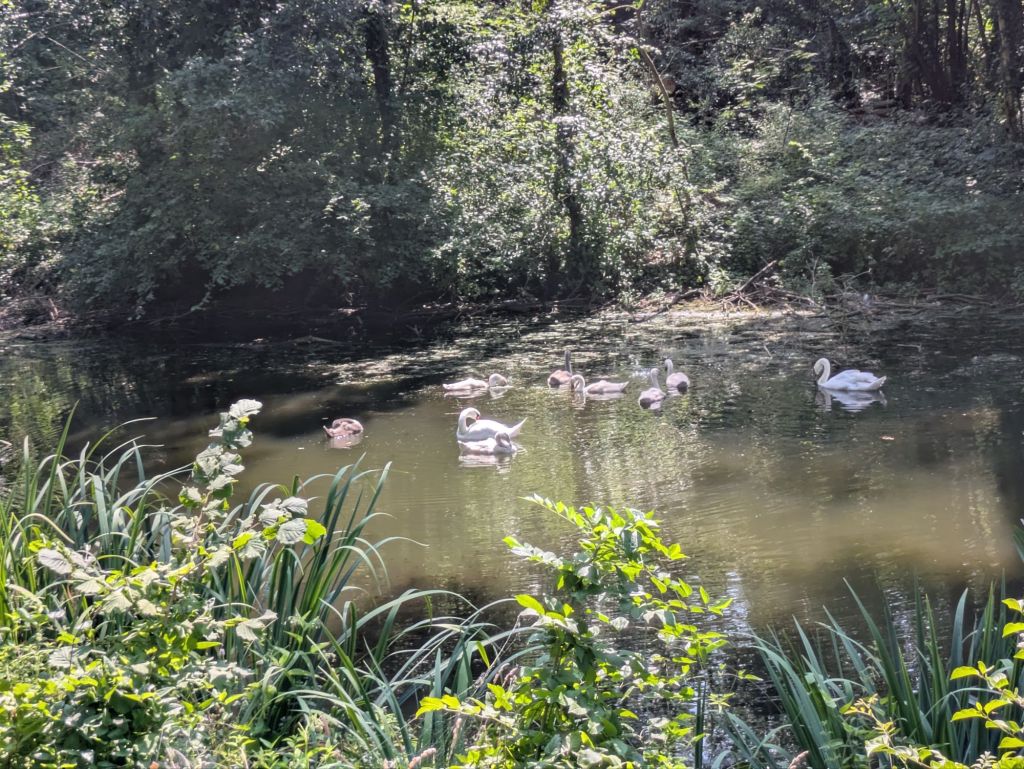
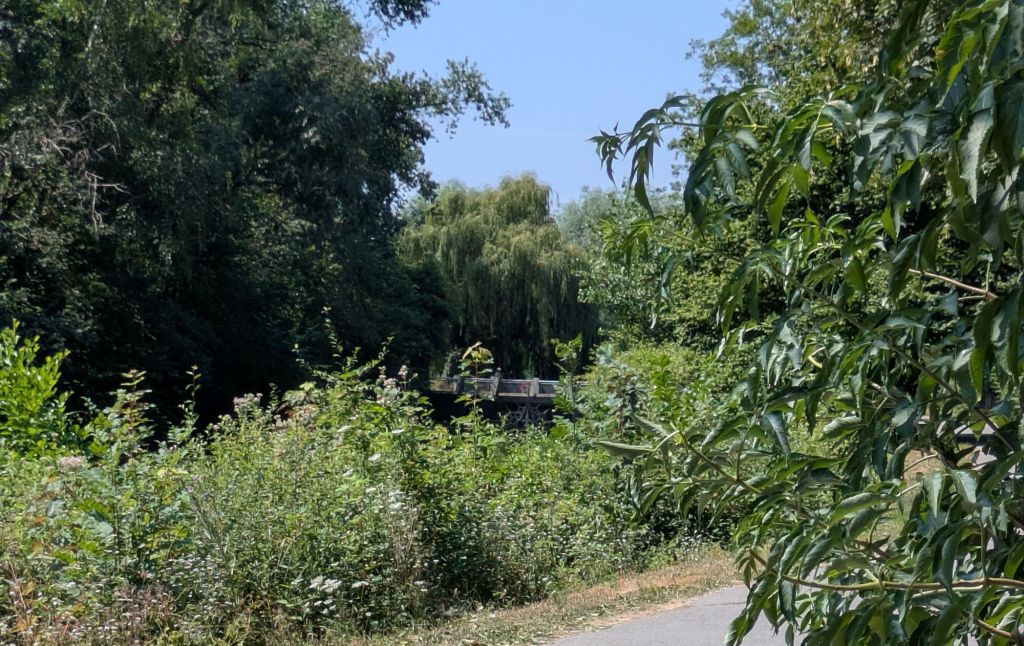
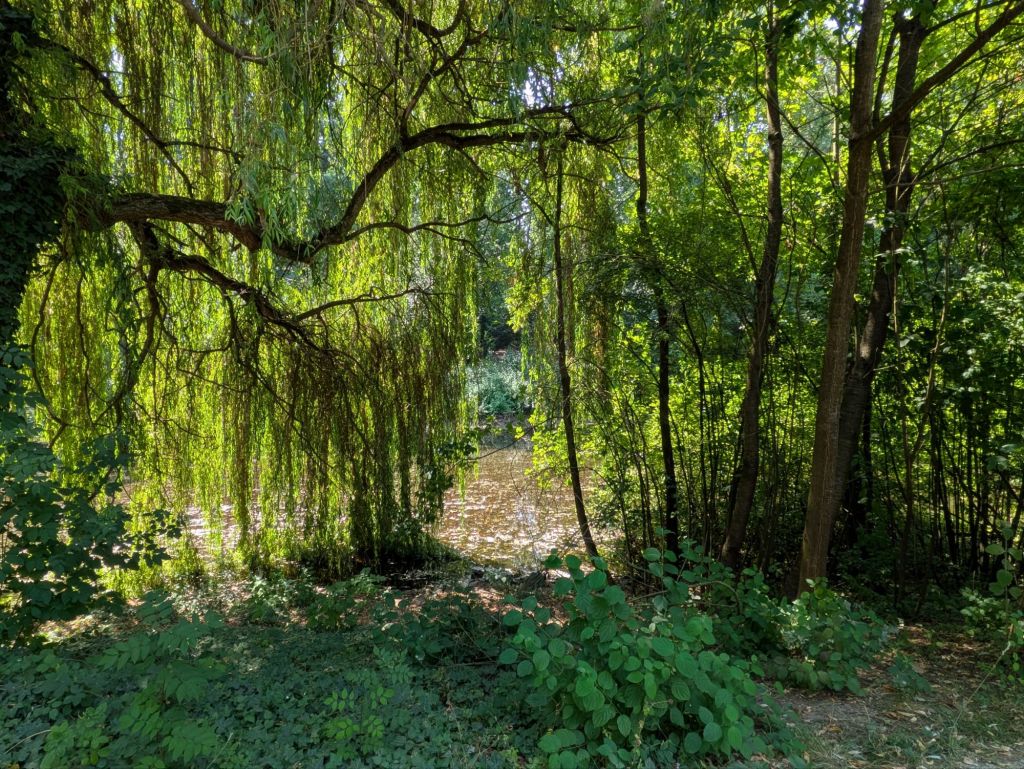
Along the way we discovered this delightful green space filled with bike paths, the Reserve Naturelle Regionale du Heron, named after the lake it encompasses. This park and bird sanctuary is just so beautiful, I can’t help but carry a big smile on my face as we pedal through forests and farmland. Encountering wildflowers, crops and cows, herons and horses, wandering along the crisscrossing paths and country roads.
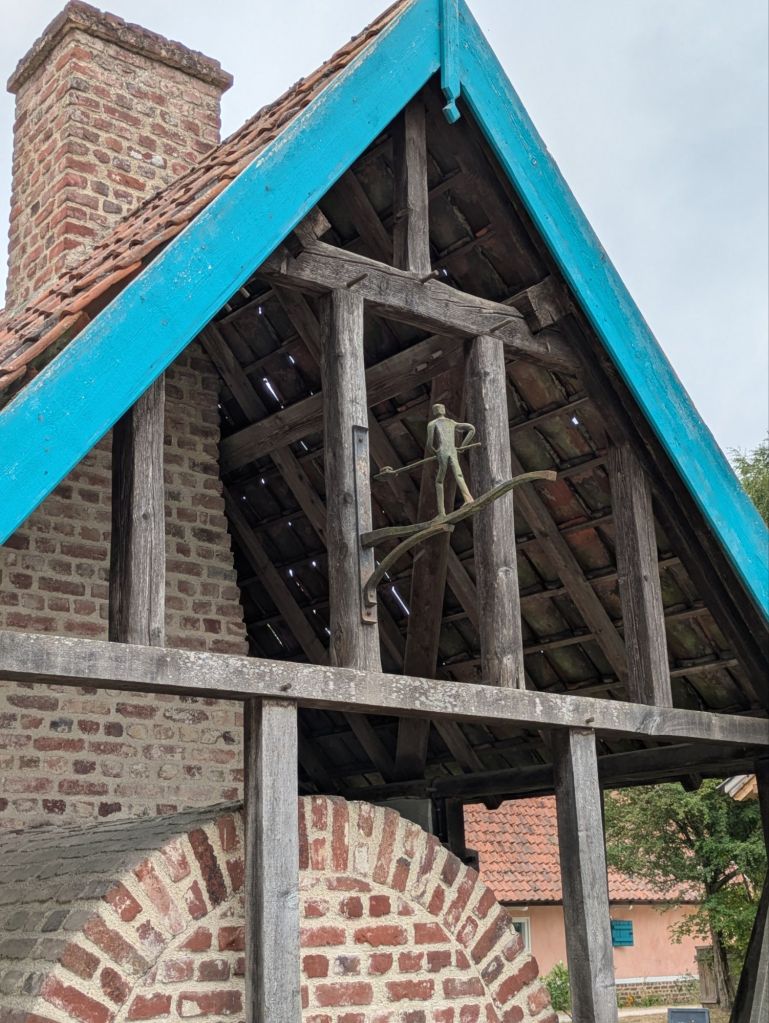
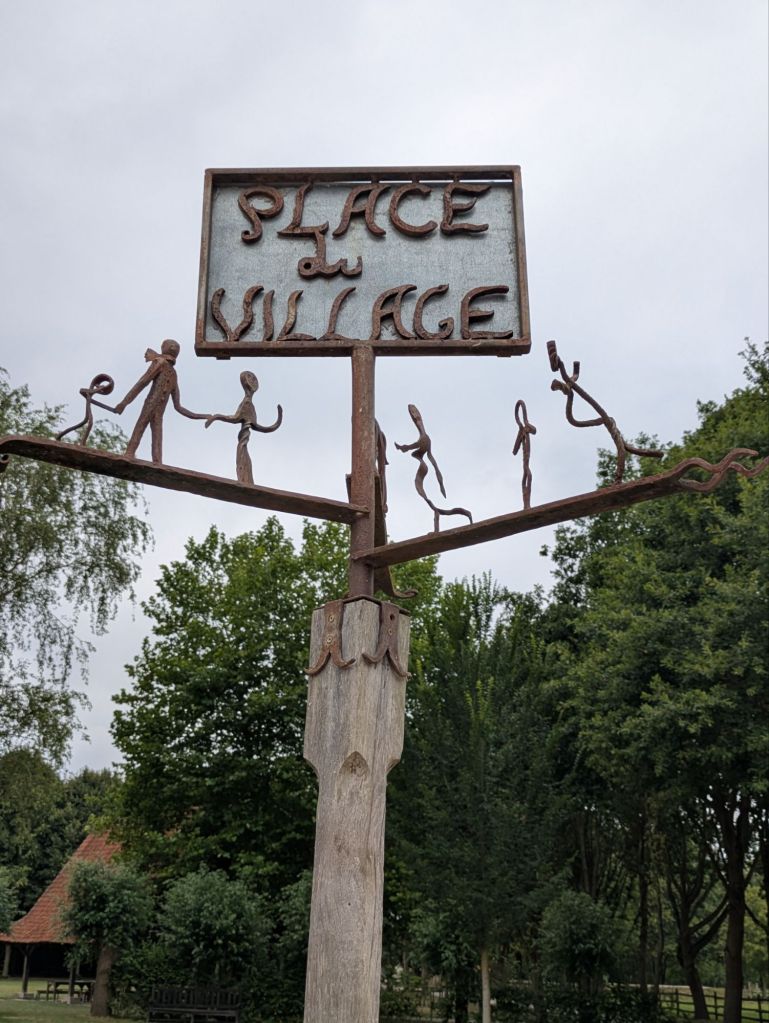
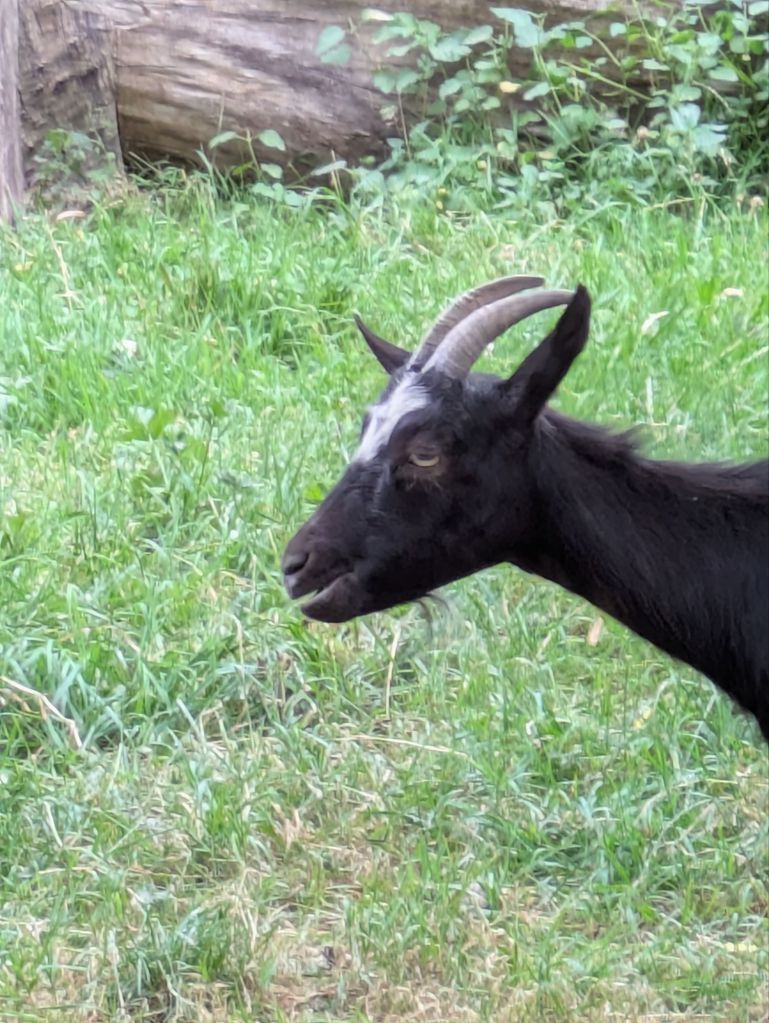
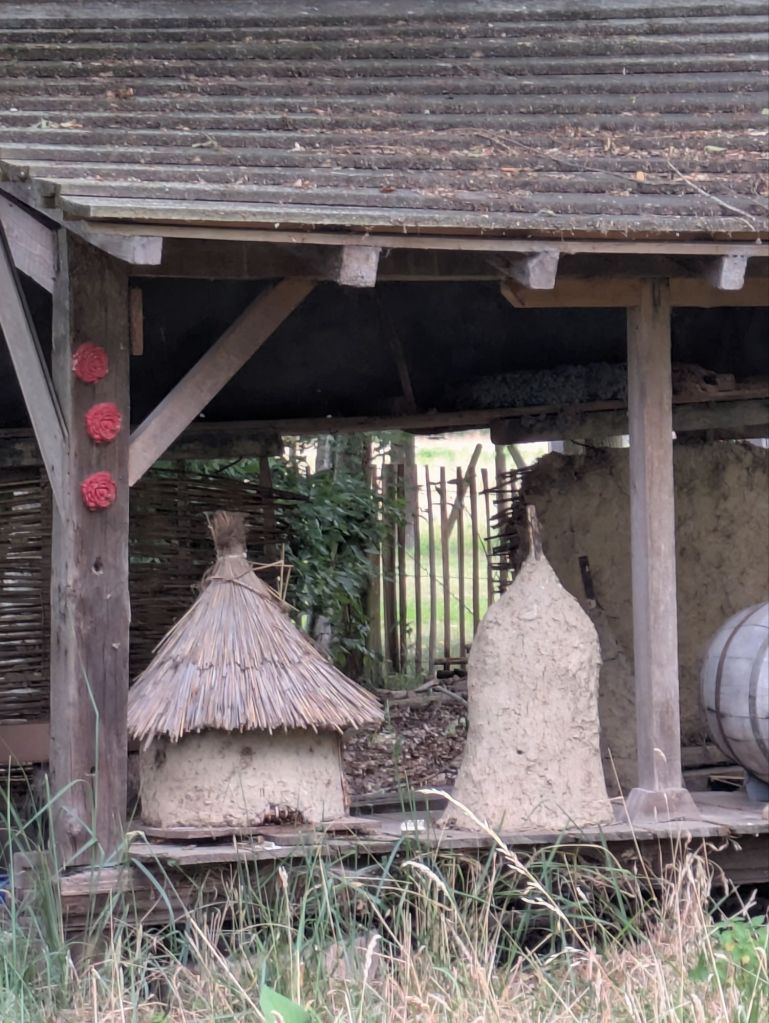
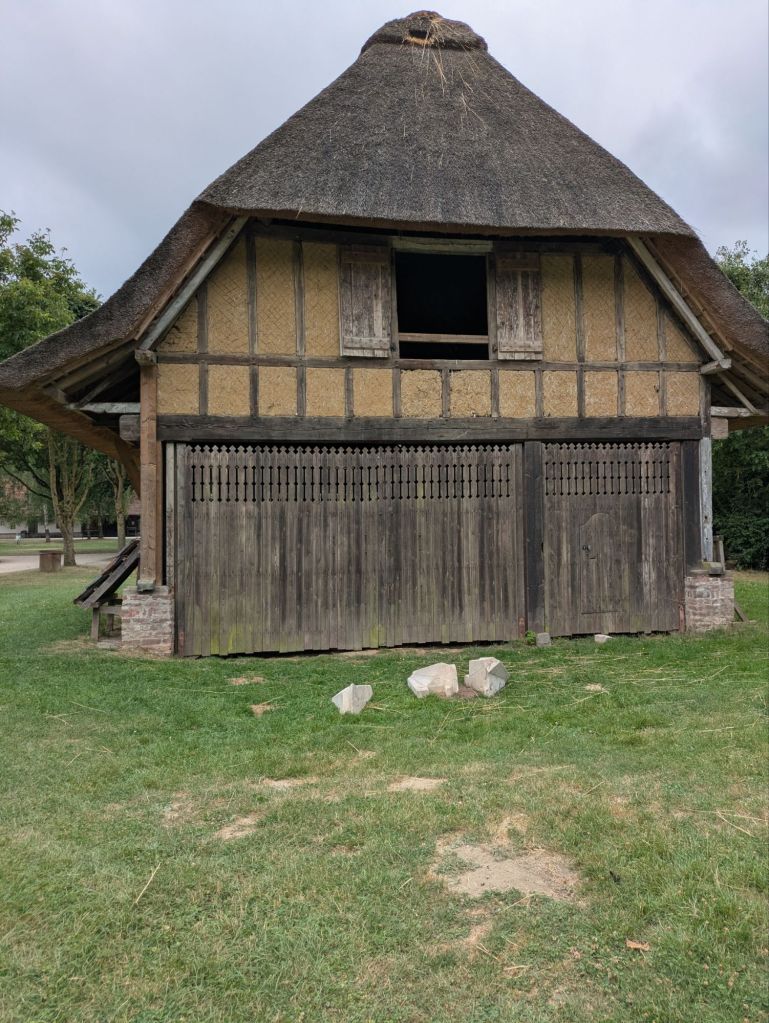
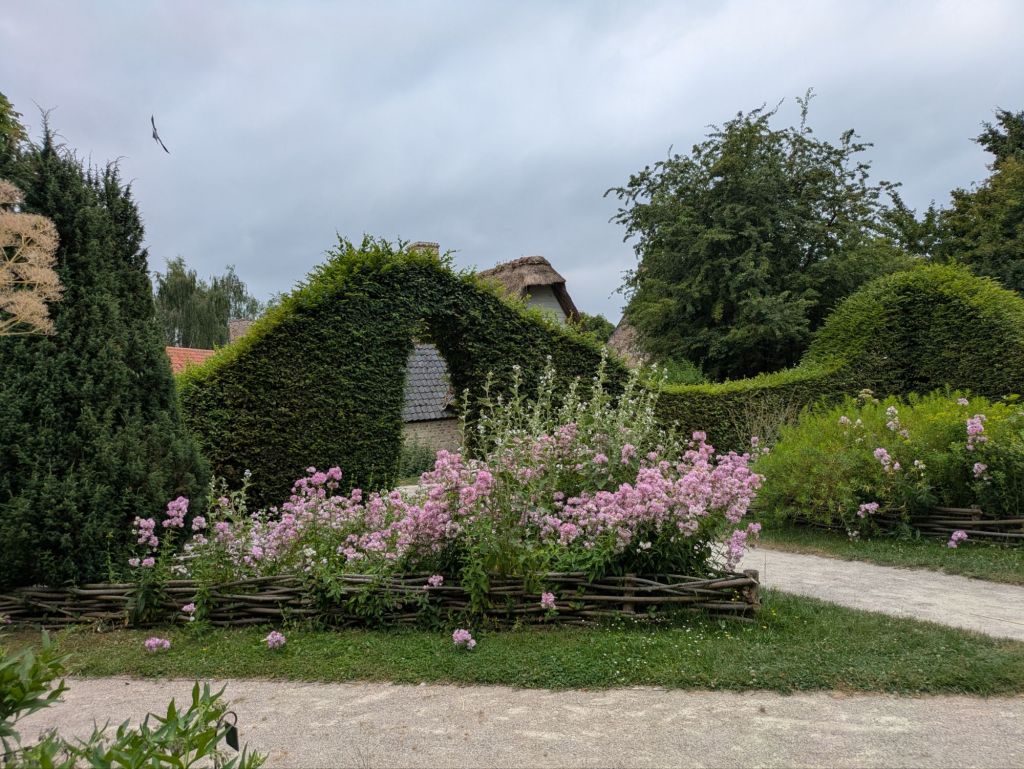
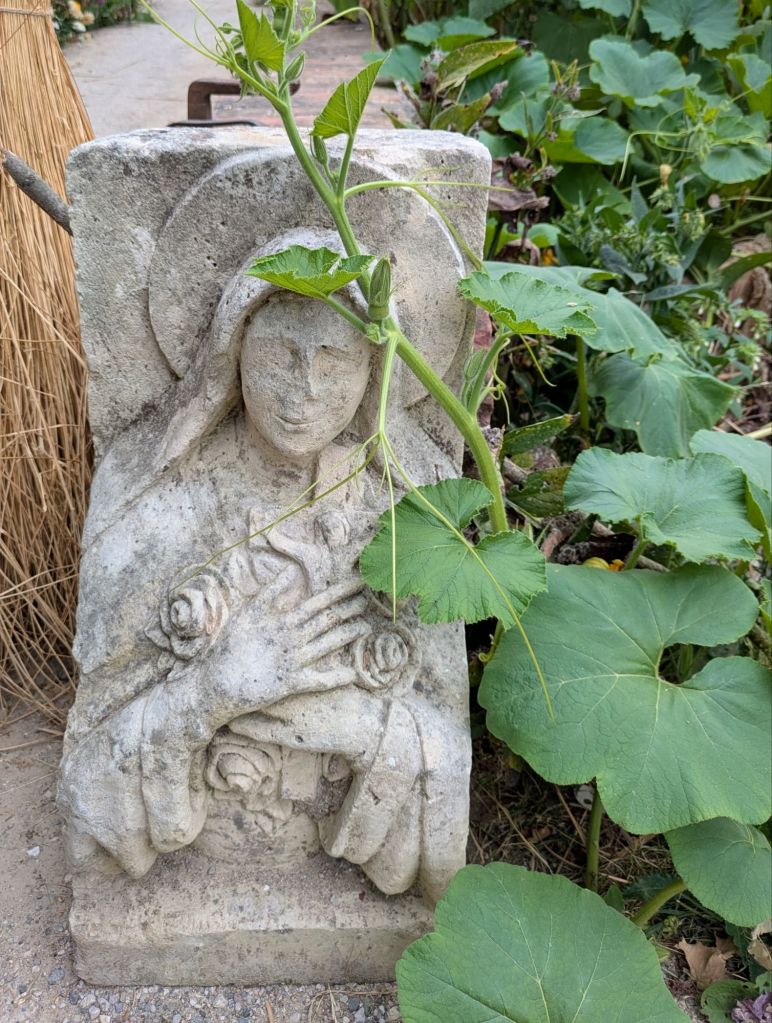
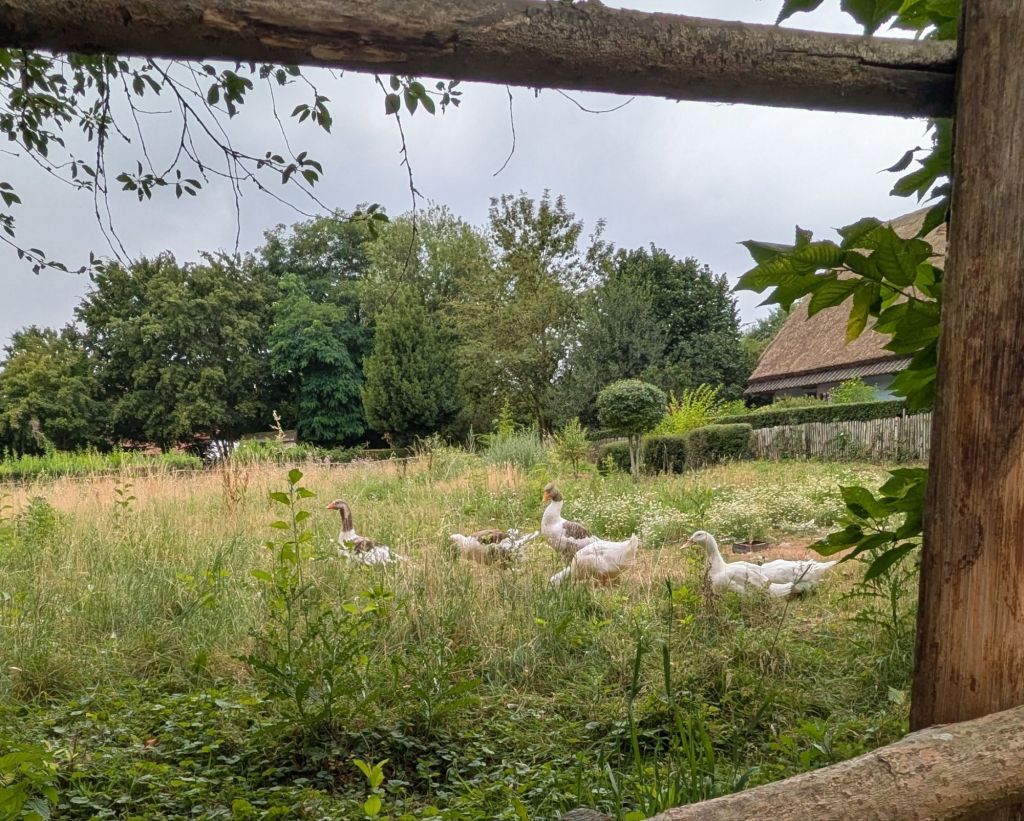
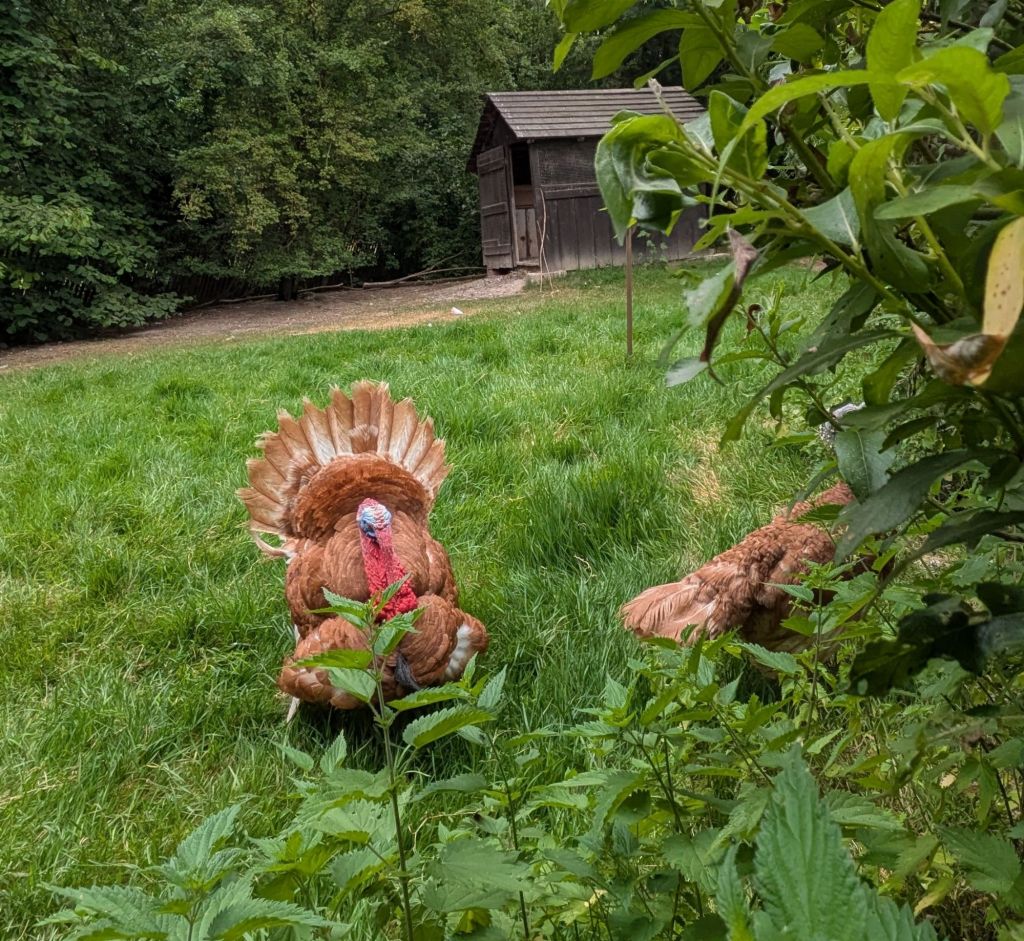
We went back again to expose the park more and to visit the Musèe de Plein Air, a historical recreation of a 19th century village. Featuring around 20 structures from across France that were brought here and rebuilt, saving them from being erased entirely by current development. Each structure has a plaque telling its history and location. The park houses goats, geese, fowl and both medicinal and food gardens. Blacksmiths, leather working, ceramics, basketry and textile production are featured as well as farming. There are lots of workshops and educational programs for schools as well as adults. Next week I am taking my very first willow basketry class there! More here.
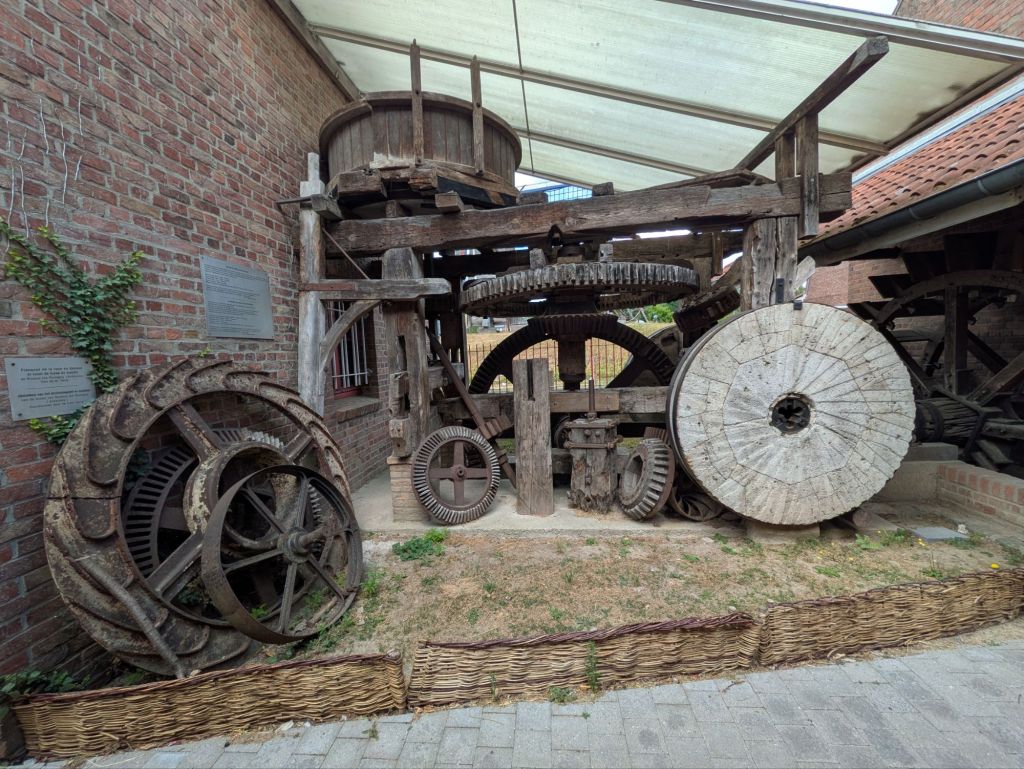
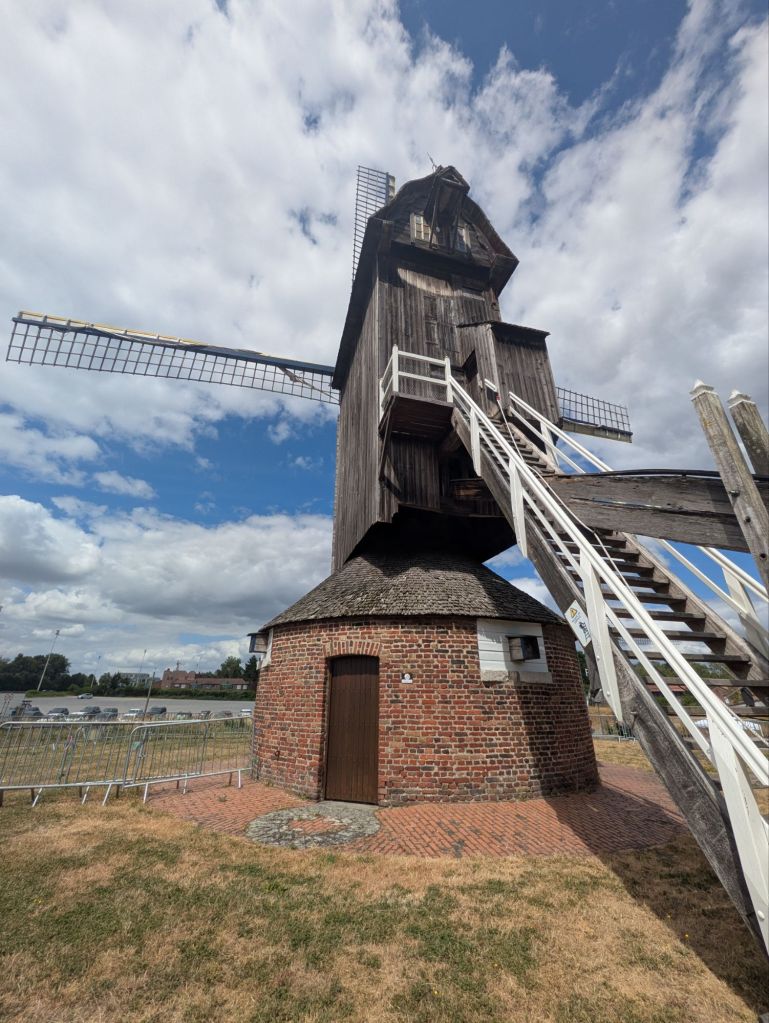
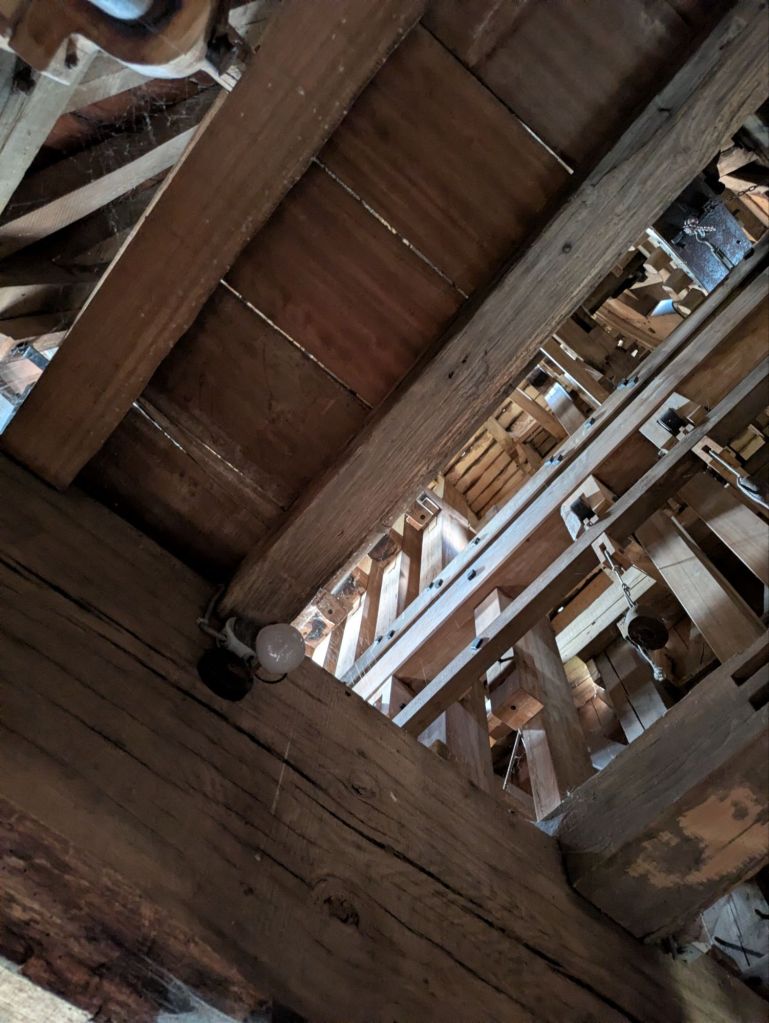
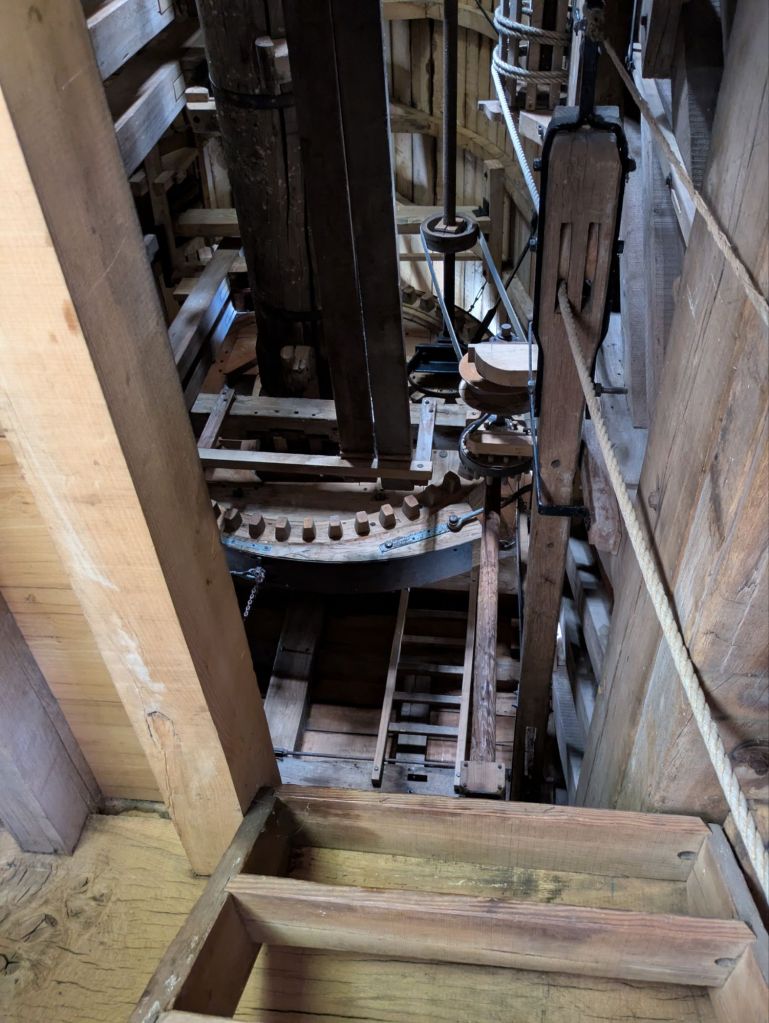
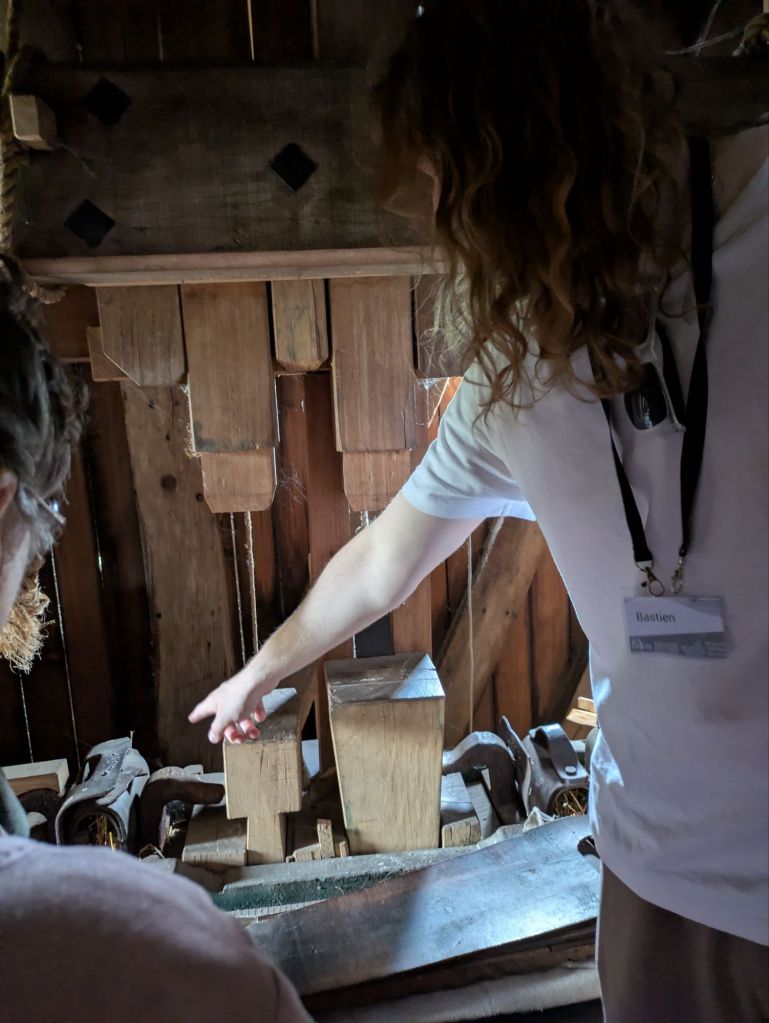
We returned once again, this time to explore the Musèe des Moulins, where two working windmills and one nonworking watermill powered forge are preserved along with a quaint museum where you can learn about the production of flax and sunflower oil, as well as flour. We got to climb up into the oil mill, which was really scary, as the steps and structure is built entirely on one mighty tree trunk and sways with the slightest wind to unnerving effect. It is absolutely crazy to imagine how this whole this must have moved and shaken when the windmill sails were turning. Whoever invented this system and then worked in it, were kinda nuts I think. Brave and nuts, with nerves of steel. More here.
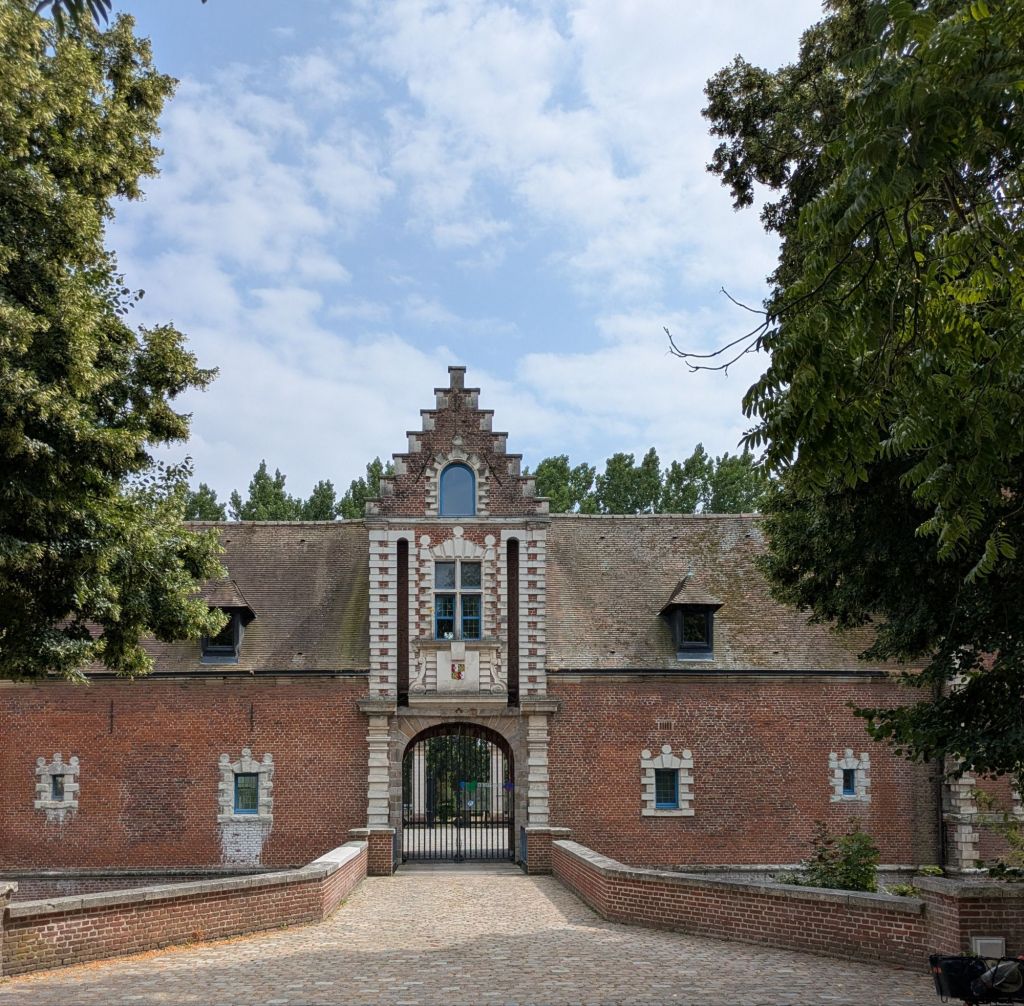
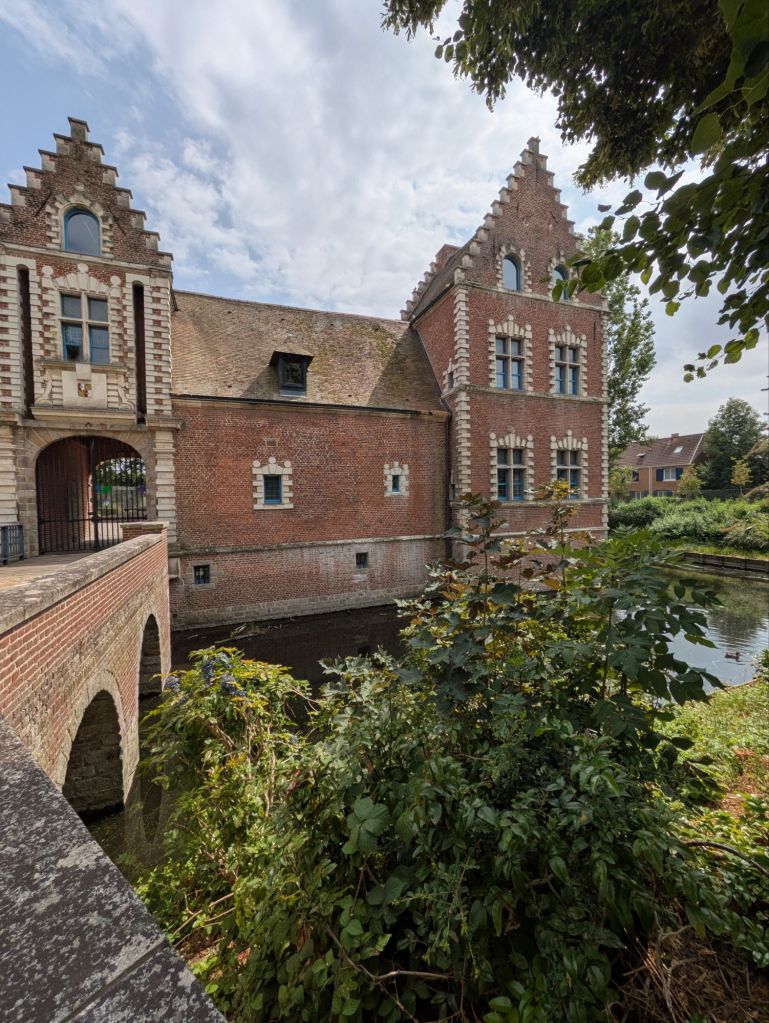
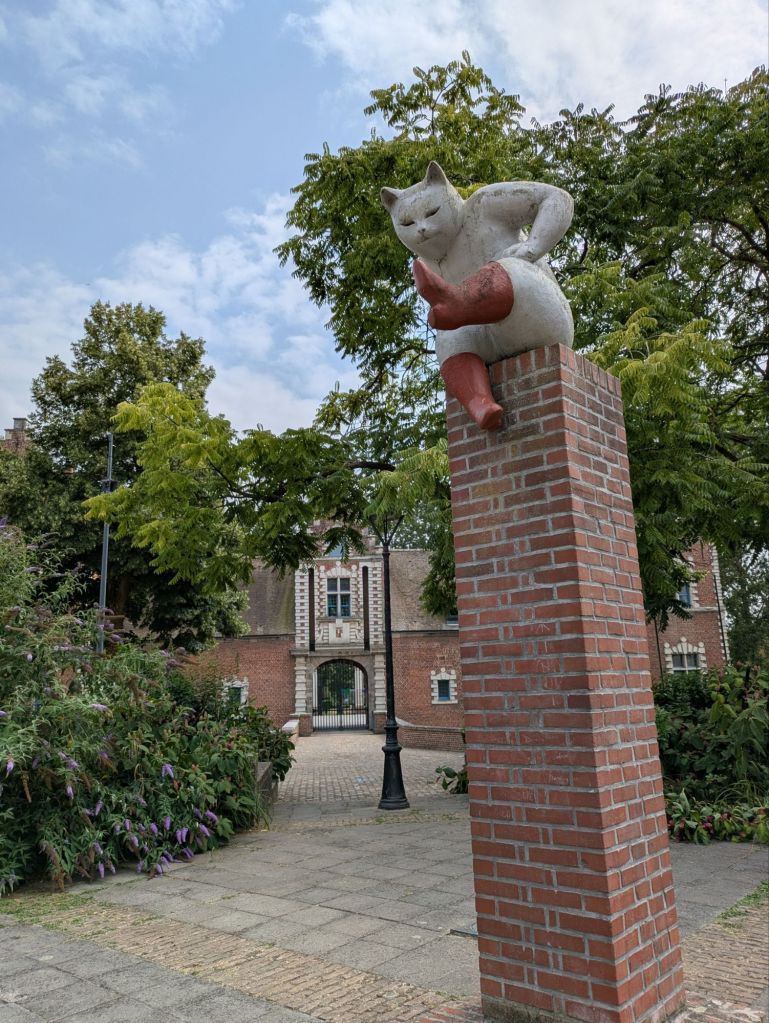
On the way home we always stop by the Chateau des Flers just because it’s so pretty. One day I hope it will reopen. More here.
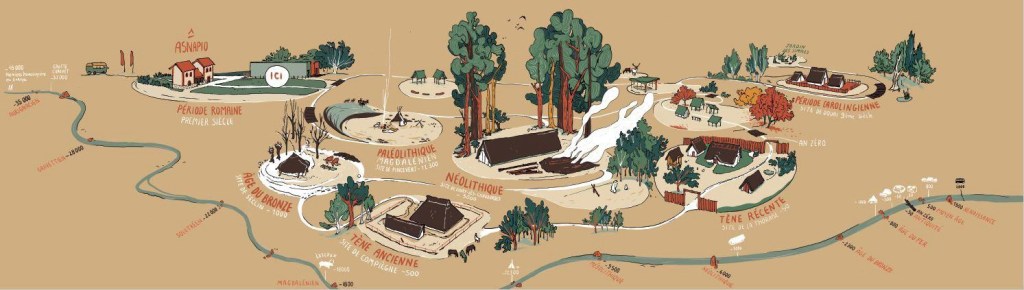
Our next trip to Villeneuve d’Ascq will be to the
Parc archéologique Asnapio, another open air museum of ancient buildings and archeological finds. Right now it’s only open to the public on Wednesdays, but for the month of August it opens all week. More here.
 An American in Lille
Leave a comment