When you investigate history, you always find interesting tidbits that lead you off your intended course. This post is for my friends and classmates at Alliance Française .
Fives (pronounced feeev) is the quatier, or neighborhood, where my French language classes are held. It also happens to be one of the oldest villages in this region!
Fives currently does not have the best reputation. I was told many times, while looking for apartments, don’t go there! It’s dangerous! But it is a less expensive area, so like in any city, you will find students, immigrants, families just trying to raise their kids. And here, there are women who wear the most beautiful, colorful skirts and clothing from all over the world.
Fives was once a bustling center of industry- textile, tiles, pipes, a giant iron works company which made train locomotives, several breweries- and provided good jobs for the working class. Once the iron factory closed its doors, the community was thrown into unemployment and posverty. Crime soared and building fell into disrepair. It is an age old story that occurs all across the world.
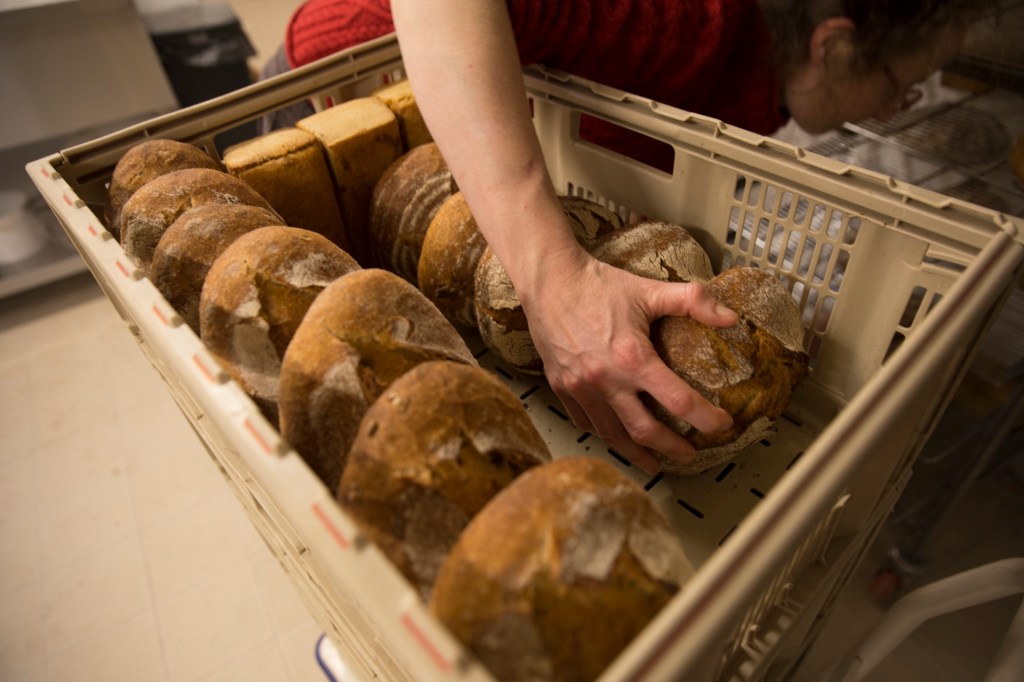
Today, Fives is vibrant and alive with community centered schools, theater and art. And it is the site of my very favorite French market in Lille! I fill up my cart on Tuesdays after class with amazing organic vegetables from farmer Guillaume, and sourdough bread from Flavie. And now, Lille is pumping some money into the old ironworks factory (an obvious brownsite, so no residences can be built there) to make a new culinary and makers market.
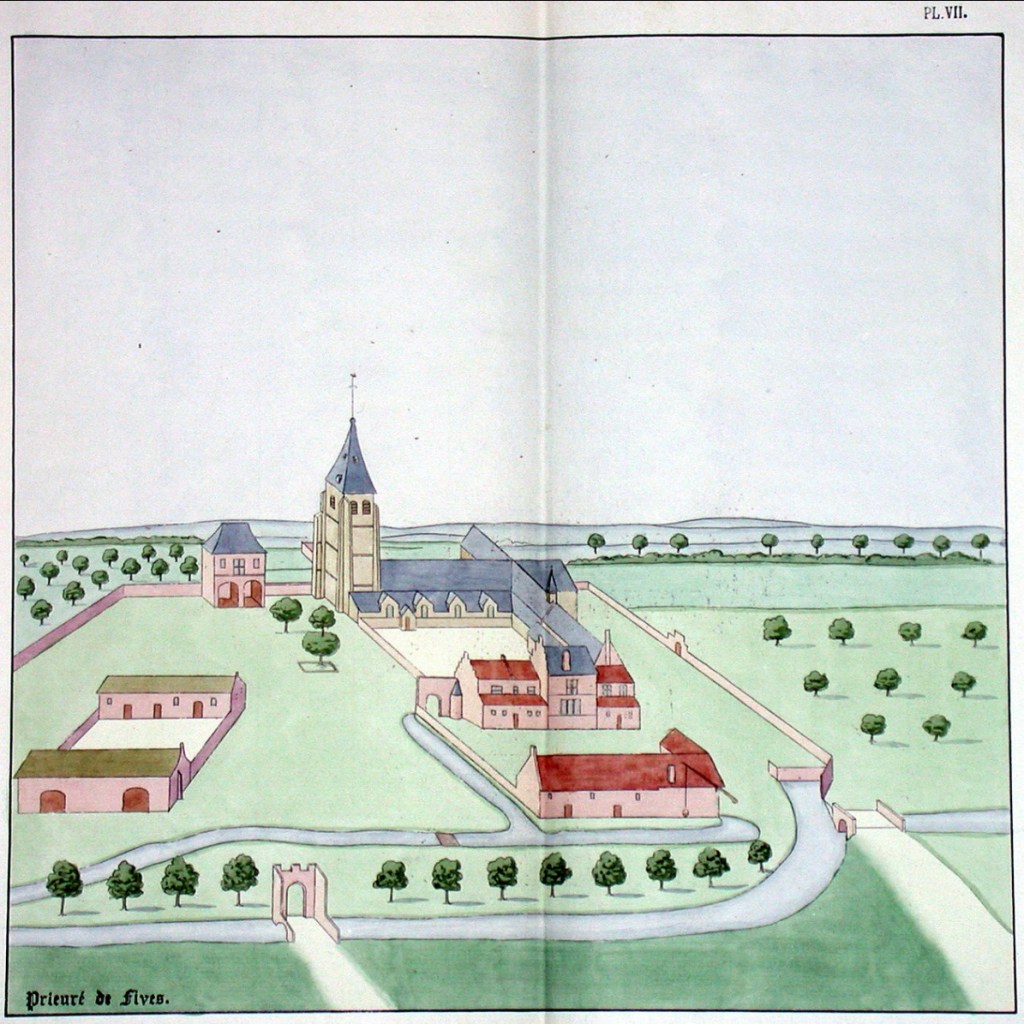
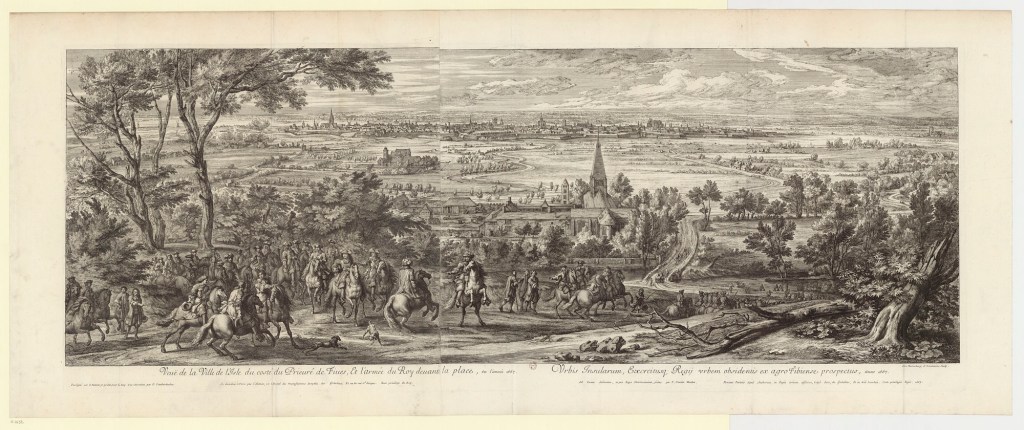
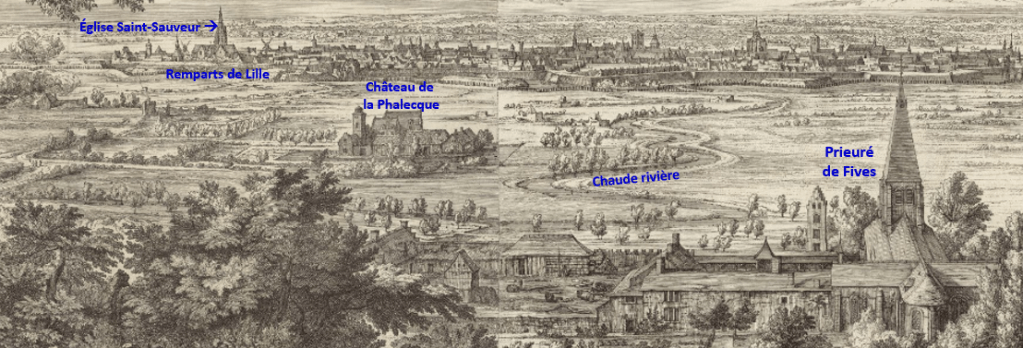
Way back, Fives was the site of settlement from the 7th century. In 1144, a priory was founded at the source of the Becquerel River. It was also called the River Chaud (hot) because it never froze during the winter. This source was an abundant spring that fed not only the river, but a vast marshland called the Dondaines, between Fives and Lille. The road, more like a precarious path, through these marshes to Lille could only be travelled by donkey.
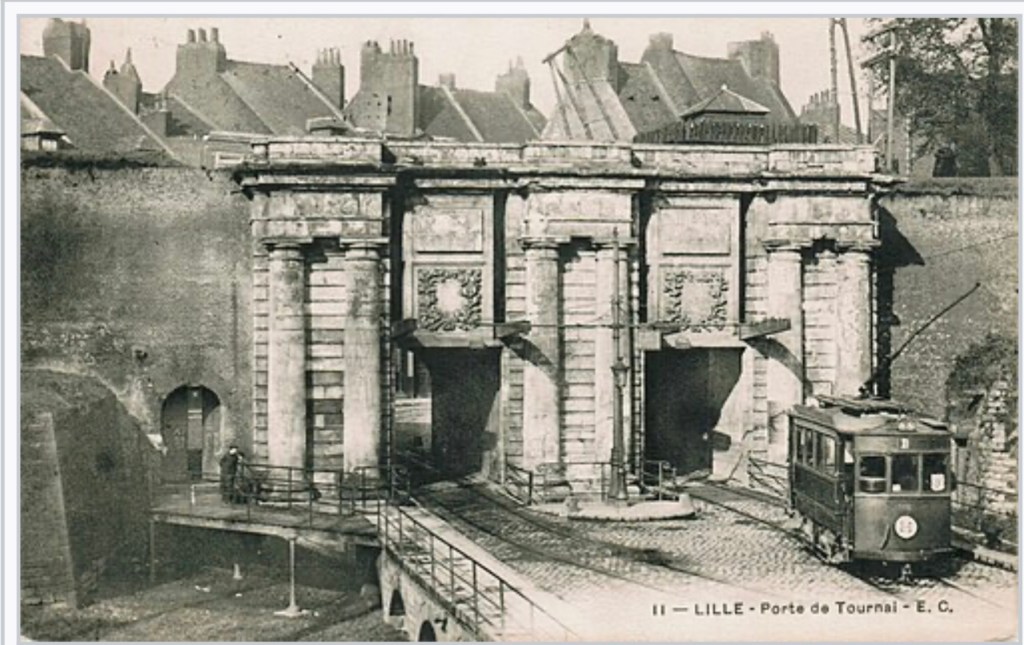
An interesting fact is that the aldermen of Lille bought the spring in 1285 and built a pipeline aqueduct to provide fresh water to Lille. By this time, the canals of Lille were becoming polluted and stagnant, due to booming population, sewage and trash. Eight public fountains were set up throughout Lille, and her inhabitants had good drinking water again. The pipes entered Lille through the Porte du Tournai.
Once this happened, the marshlands began to dry and a road could be constructed. The spring source finally dried up in 1803 and was covered over in 1894.
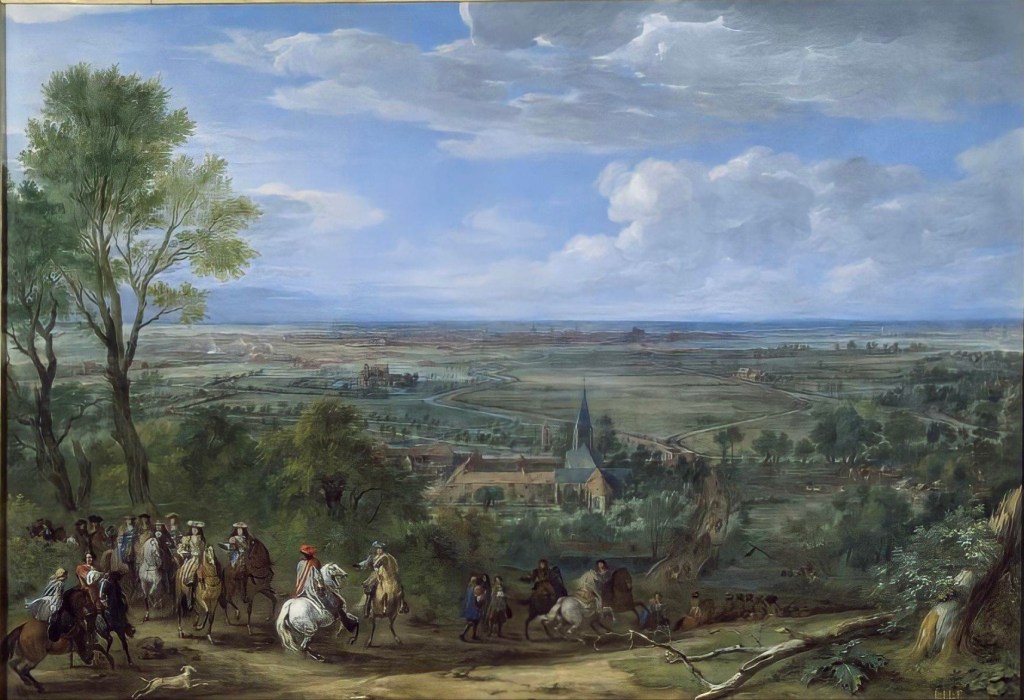
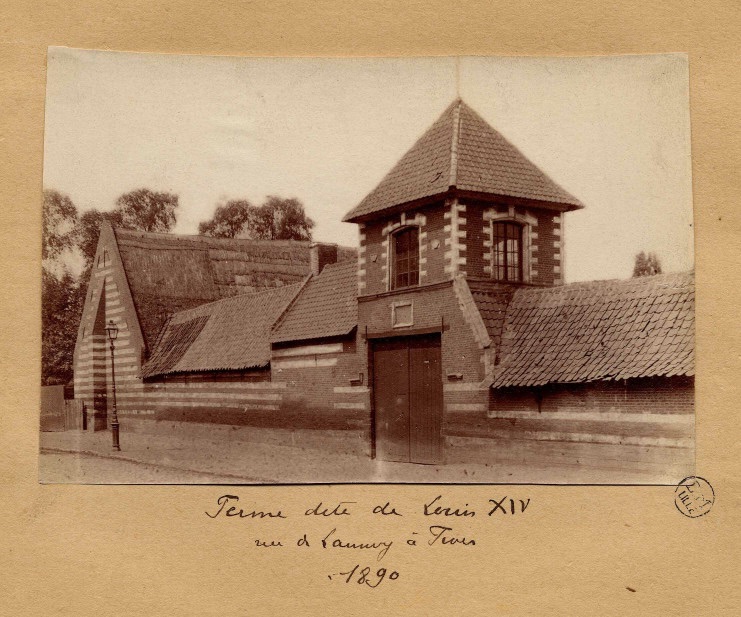
Most famously, Fives was used as a staging ground for Louis XIV and his star engineer, Vauban, when he took Lille from Spain in 1668. He settled his troops on a farm, in the area of what is now Rue de Lannoy, which is about a 10 minute walk from our class. The treaty signed that year divided Flanders, and it is the reason why we speak French in Lille, Douai and Tournai. The treaty marking Lille’s surrender was signed in that Lannoy farmhouse on 27 August, 1668.
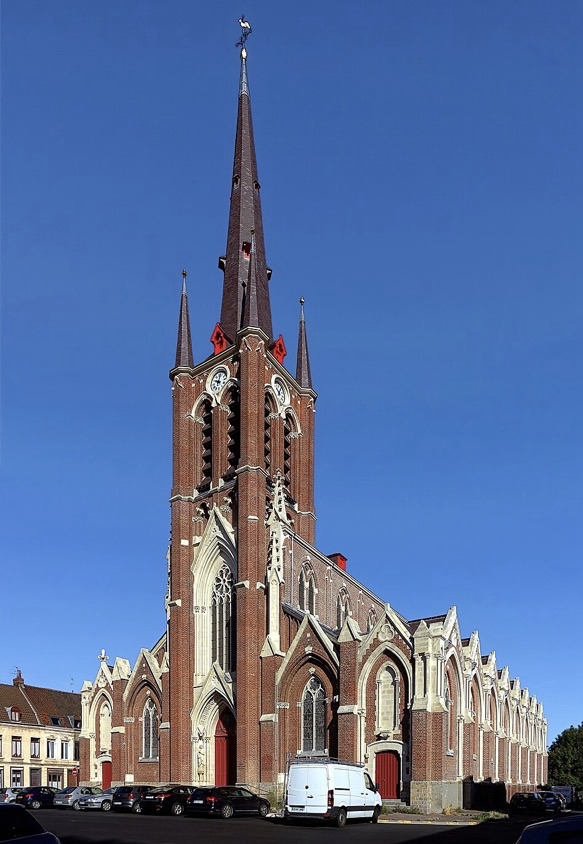
Priory of Fives was completely demolished many times throughout her history. The last time was in 1792, after the French Revolution. The current church was built in 1852, on the site of the old priory.
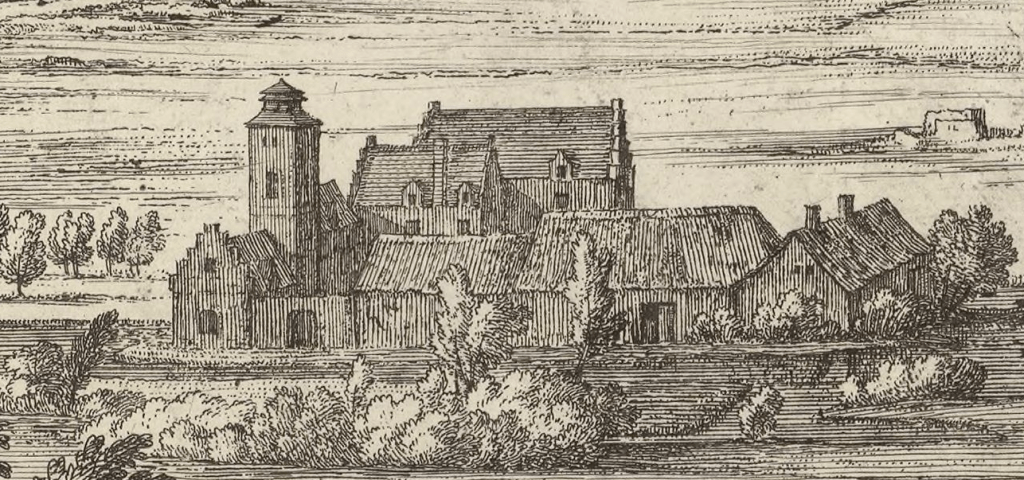
At the same time, the Cheateau de la Phalencque burned down and the site declared to remain bare, to guard against future attacks. The site is now a park along Rue de la Phalencque.
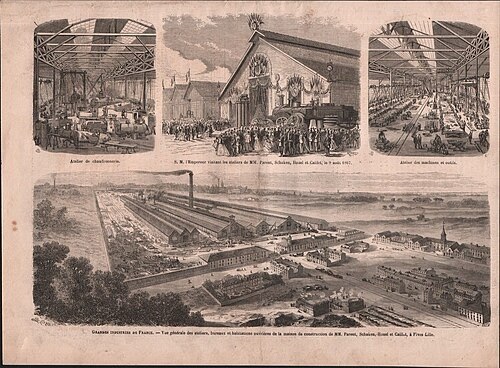
The Fives-Lille company was established in 1861. The factory in Fives specialized in rails and steam locomotives. They produced steel for buildings and bridges, most famously in the construction of the elevator of the Eiffel Tower, the Orsay train station, and bridges all over Europe. The company eventually abandoned the works along Boulevard de l’Usine and the old factory is currently being revitalized as a culinary hall.
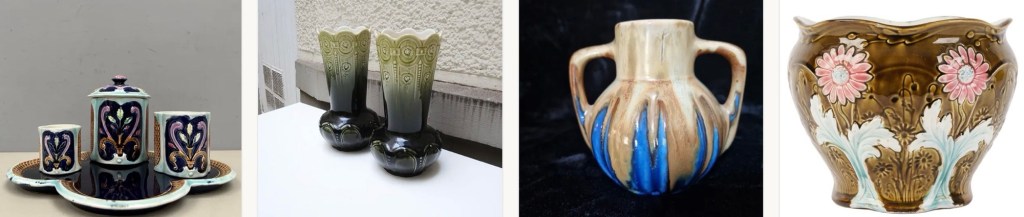
Fives was also the home of the De Bruyn pottery from 1864 into the 1930’s. It briefly reopened in the 1950-1962. The pottery pieces are highly sought today.
Fives was bombed and occupied by the Germans during both world wars. After liberation, Fives proved her resilience once again, rebuilding and thriving until the French financial collapse in 1980’s. Today, the inhabitants of Fives are again rebounding, creating community and opportunity for all classes.
For more information and lots of old postcards and photos of Fives, visit: http://fivesautrefois.blogspot.com/2008/11/la-vie-sociale-et-culturelle.html


Leave a Reply